When a home in Dallas starts to show hairline cracks in the drywall, doors that no longer close smoothly, or floors that feel slightly uneven, it is rarely just a cosmetic problem. These are often early signals that the foundation is moving, drying, or settling in ways that can become expensive and dangerous if ignored. Understanding effective foundation repair techniques is not just a technical topic for contractors; it is a practical survival skill for homeowners who want to protect their largest investment and avoid escalating repair costs.
In North Texas, shifting clay soils, intense heat, seasonal droughts, and sudden heavy rains all work together to stress every slab, pier-and-beam, and crawl space foundation. The ground literally expands and contracts under your home, and over time that movement can pull a structure apart. That is why homeowners who recognize the signs of trouble early and know which repair methods are appropriate for their specific situation have a powerful advantage. With the right knowledge and a trustworthy contractor such as Elite Foundation Repairs in Dallas, Texas, you can stabilize your home, restore its value, and dramatically reduce the chances of future structural surprises.
This guide breaks down the most effective foundation repair techniques available to Dallas homeowners today. Instead of broad generalities, we will look at how each method works, when it is appropriate, what it can and cannot fix, and what you should understand before signing any contract. By the end, you will be better equipped to ask smart questions, compare repair options, and partner confidently with a qualified foundation specialist.
Understanding Dallas Soil Movement
Any discussion of foundation repair in Dallas has to start below the surface. Much of the region sits on expansive clay soil, which behaves almost like a sponge. In wet periods, this soil absorbs moisture and swells; in dry periods, it shrinks and cracks. As moisture levels cycle through these extremes year after year, the soil’s volume changes and the support under your foundation becomes inconsistent. One side of the house may be sitting on swollen, elevated clay while another side rests on dried, compacted soil that has dropped several inches.
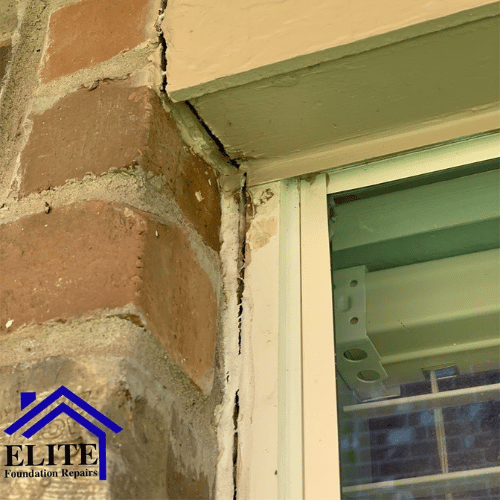
This uneven support is what causes foundations to tilt, settle, or heave. You might see cracks forming above doors and windows, brick mortar joints separating, or gaps appearing between baseboards and flooring. These are not random defects; they are visual evidence of the soil’s movement underneath. Elite Foundation Repairs has worked on hundreds of homes across Dallas, and the patterns are familiar: homes built on shallow slab foundations, especially in neighborhoods with poor drainage, are particularly vulnerable to differential settlement.
Understanding the soil’s behavior helps explain why some repair techniques are more effective than others. Solutions that simply patch visible cracks without addressing the moving soil under the foundation are only temporary. Effective, long-term repair methods either bypass the unstable soil altogether or improve how the soil interacts with the foundation. Knowing the difference is critical when you evaluate proposals and pricing from various contractors.
Professional Assessment And Monitoring
Before any repair method is chosen, a thorough assessment is essential. A skilled foundation repair specialist will not just glance at a few cracks and quote a price. Instead, they will perform a detailed elevation survey of your home, measuring the relative heights of different points in the slab or floor system. This process creates a kind of topographical map of your foundation, showing where it has settled, where it has heaved, and how severe the movement really is.
In Dallas, an experienced company like Elite Foundation Repairs also examines drainage patterns, gutter conditions, irrigation systems, and soil exposure around the home. They will look for interior signs of movement such as misaligned doors, diagonal drywall cracks, and separations at trim work, and then correlate those with exterior symptoms like stair-step cracks in brick or visible gaps at window frames. This big-picture view prevents misdiagnosis and ensures that the chosen repair technique addresses the root cause instead of just the symptoms.
In some cases, especially when movement is minor or still developing, monitored observation may be part of the plan. The contractor may recommend re-checking elevations after a season or two, particularly if moisture conditions are expected to change. This approach protects homeowners from overpaying for extensive repairs when a more targeted, phased solution might be sufficient. The key is to start with a data-driven assessment rather than rushing straight to a one-size-fits-all fix.
Pier Systems For Lasting Support
One of the most reliable ways to stabilize a settling foundation in Dallas is to transfer the weight of the home from the unstable surface soils down to deeper, more stable layers. Pier systems accomplish this by installing vertical supports along the perimeter of the foundation and sometimes under interior load-bearing walls. Two of the most common methods in North Texas are concrete pressed piers and steel piers, each with its own advantages and ideal use cases.
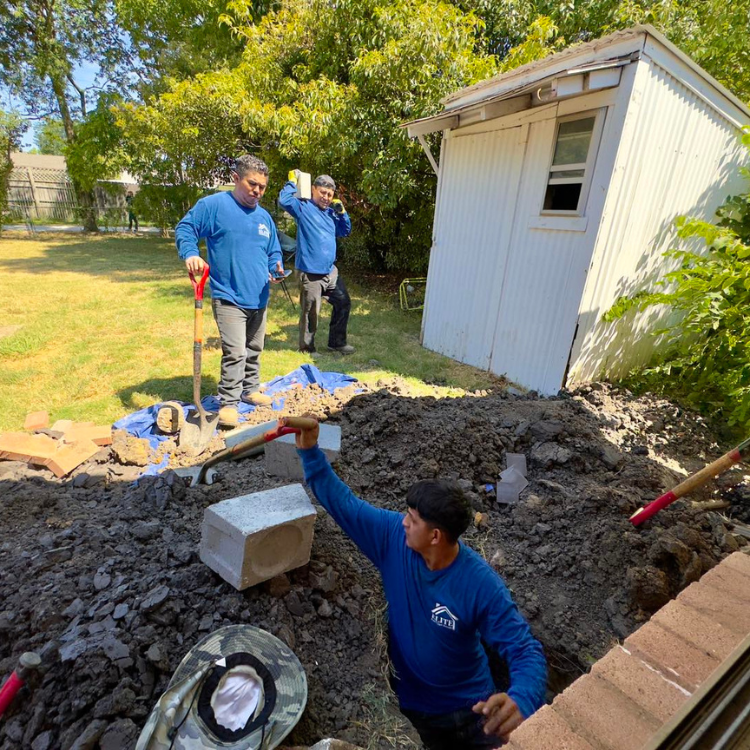
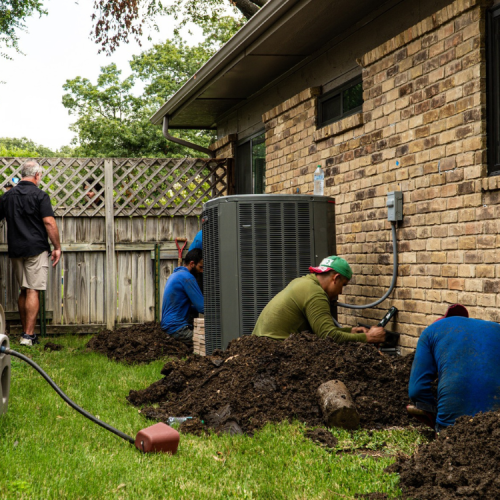
Concrete pressed piers are constructed by hydraulically pressing pre-formed concrete cylinders into the ground beneath the foundation beam. The installer drives these cylinders down until they reach sufficient resistance, which typically means they have hit denser soil or bedrock. Once installed, the piers are capped and connected to the foundation, and the structure can then be lifted and leveled. This method is widely used in Dallas because it is effective and relatively economical, especially for lighter structures.
Steel piers, on the other hand, use high-strength steel segments that can penetrate deeper than concrete cylinders in many soil conditions. They are often favored for heavier homes, homes with multiple stories, or properties where the load-bearing strata are particularly deep. Steel piers can offer more predictable performance in challenging soils, though they generally come at a higher cost. Elite Foundation Repairs evaluates each property individually to determine whether concrete or steel piers (or a combination of both) provide the best balance of performance and value.
Regardless of the material, proper pier installation is a precise process. Each pier must be placed at the correct spacing, driven to proper depth, and attached securely to the foundation beam. During the lifting phase, technicians carefully adjust jacks and monitor the home’s structure to avoid over-lifting, which can cause its own damage. When done correctly, a pier system can significantly reduce future settlement and restore the home’s original elevations as closely as practical.
Slab, Beam, And Crawl Space Solutions
Not all Dallas homes rest on the same type of foundation, and effective repair techniques must match the underlying structure. Slab-on-grade foundations, which are common throughout the metro area, are a single concrete layer poured directly on the prepared soil. These slabs are susceptible to edge settlement, interior cracking, and upheaval when the soil expands. Pier systems are frequently used along the perimeter of slab foundations, and in more severe cases, interior piers may be installed through small openings in the slab to support interior load lines.
Pier-and-beam or crawl space foundations, which are especially common in older Dallas neighborhoods, require a different approach. These systems use a network of beams and piers to support a wood-framed floor above a crawl space. Over time, wooden components can rot, shift, or sag, and the piers themselves may settle unevenly. Repairs often involve re-leveling the beams, replacing deteriorated wood, adding new concrete piers, and improving moisture control beneath the home. When done properly, these steps restore the structural integrity of the floor system and create a more stable platform for the rest of the house.
Moisture management is particularly critical in crawl spaces. Excess humidity and standing water can undermine piers, promote mold growth, and accelerate wood decay. Many homeowners in Dallas combine structural repairs with upgrades such as drainage improvements, vapor barriers, and sealed encapsulation systems to protect the crawl space environment. Services like Crawl Space Encapsulation can significantly extend the life of both the foundation and the home’s mechanical systems by keeping moisture levels under control.
For both slab and crawl space foundations, the repair process should include a clear evaluation of accessibility, expected disruption, and restoration. Cutting into slabs or entering tight crawl spaces is messy work, and a reputable company will explain how they will protect landscaping, manage debris, and restore surfaces once repairs are complete. Homeowners should expect a detailed plan, not just a list of pier counts or generic line items.
Soil Stabilization, Drainage, And Prevention
While structural interventions like piers and beam adjustments are crucial, no foundation repair in Dallas is complete without addressing the water that drives soil movement. Poor drainage is one of the most common and preventable contributors to foundation damage. When water pools near the base of the home or downspouts discharge directly at the foundation, the surrounding clay soils stay saturated longer, swell more, and then shrink more dramatically when dry weather returns. This repeated cycle intensifies differential settlement.
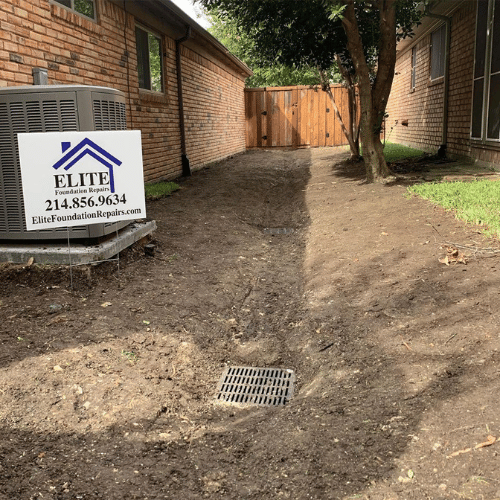
Effective drainage solutions often begin with relatively simple steps: extending downspouts several feet away from the foundation, regrading soil so that it slopes gently away from the home, and repairing or adding gutters where needed. In more complex cases, French drains or surface drains may be installed to intercept and redirect water away from problem areas. Elite Foundation Repairs frequently incorporates drainage improvements into their repair plans, recognizing that stabilizing the structure without controlling water is only a partial fix.
Soil stabilization products and techniques may also be used in specific situations. In some cases, chemical injections or grout mixtures are introduced into the soil to increase its density and reduce its tendency to shift. While these methods are not a universal solution, they can be valuable adjuncts when used strategically, especially under driveways, patios, or lightly loaded areas adjacent to the foundation. The key is to treat stabilization as part of a broader strategy, not a stand-alone answer.
Homeowners can also play an active role in prevention through consistent yard and watering practices. In drought-prone Dallas summers, allowing the soil around the home to dry out completely and then suddenly saturating it with heavy watering can be as harmful as neglecting it altogether. A more stable approach is to maintain relatively uniform moisture levels with moderate, regular irrigation, particularly near large trees whose roots compete aggressively for water. By smoothing out the extreme wet-dry cycles, you reduce the stress on your foundation over time.
Choosing The Right Repair Partner
Even the most advanced foundation repair technique can fail if it is applied incorrectly or for the wrong reasons. That is why selecting the right contractor is just as important as understanding the methods themselves. In Dallas, where foundation issues are common, homeowners are often bombarded with advertisements promising fast, cheap fixes. The challenge is to separate marketing hype from genuine expertise and long-term commitment.
A trustworthy company like Elite Foundation Repairs will begin with education rather than pressure. They will explain the condition of your foundation in plain language, show you elevation readings or diagrams, and walk you through why a particular combination of piers, drainage work, or crawl space improvements is recommended. They should welcome your questions about materials, installation procedures, and expected outcomes, and they should be transparent about both the strengths and limitations of each approach.
Warranty terms and local experience are two additional factors that matter. Foundation repairs are long-term investments, so you want a company that has been active in the Dallas area for years and plans to remain there to honor its commitments. Read the fine print of any warranty: understand whether it covers only parts, only labor, or both; whether it is transferable to future buyers; and what conditions might void it. A solid warranty backed by a stable, reputable company offers peace of mind that the repair will stand the test of time.
Finally, pay attention to the thoroughness of the inspection and proposal. A contractor who spends time evaluating your property, takes measurements, and customizes a solution is far more likely to deliver effective results than someone who offers a quick quote based on a glance at a few cracks. Effective foundation repair is not a commodity; it is a specialized service shaped by the unique conditions of your home, soil, and neighborhood.
Frequently Asked Questions
How do I know if my Dallas home really needs foundation repair? Common warning signs include cracks in interior walls (especially diagonal ones above doors and windows), sticking doors or windows, gaps between baseboards and floors, sloping or uneven floors, and stair-step cracks in exterior brick. One or two minor symptoms do not always mean serious structural damage, but when multiple signs appear together or worsen over time, it is wise to schedule a professional evaluation. A company like Elite Foundation Repairs can perform elevation measurements and a detailed inspection to determine whether your home needs monitoring, minor corrections, or full structural repairs.
Are foundation repairs permanent, or will I have to fix the same problem again? Properly installed pier systems and structural corrections are designed to be long-term solutions, especially when they extend support down to stable strata beneath the active clay layer. However, no repair can completely stop all soil movement or eliminate the effects of extreme weather. The goal is to significantly reduce additional settlement and protect the structure from major shifts. Ongoing drainage management and consistent soil moisture practices are crucial to maximizing the life of your repairs. A strong warranty and periodic checkups can provide further assurance that the solution will remain effective.
How long does a typical foundation repair project take? The duration depends on the size of the home, the number of piers or supports required, and whether additional work such as drainage systems or crawl space improvements is included. Many residential projects in Dallas can be completed in a few days, though more complex jobs may extend into one to two weeks. The process generally includes excavation, pier installation, structural lifting and leveling, plumbing checks if needed, and final backfilling and cleanup. A reputable contractor will provide a realistic timeline in advance and keep you informed throughout the work.
Will foundation repair damage my landscaping or interior finishes? Some disturbance is unavoidable, particularly along the exterior perimeter where piers are installed and in any interior areas where access holes must be cut through slabs or floors. However, experienced contractors plan carefully to minimize impact and restore affected areas as much as possible. Shrubs may be temporarily removed and replanted, soil and mulch will be replaced, and interior concrete patches will be finished to a smooth surface ready for flooring. Elite Foundation Repairs takes special care to protect your property and explains in advance what will be disturbed and how it will be restored.
What can I do after repairs to prevent future foundation problems? After your foundation has been stabilized, focus on consistent moisture control and drainage. Ensure gutters are clear and properly sized, extend downspouts away from the home, and adjust grading so water flows away from the foundation. Use a regular, moderate watering schedule around the perimeter, especially during dry Dallas summers, to prevent the soil from shrinking dramatically. Monitor your home for new or changing cracks, and schedule periodic inspections if you notice significant changes. By combining professional repairs with smart maintenance, you greatly reduce the likelihood of serious foundation issues returning.