Most homeowners assume the cost of foundation repair comes down to one thing: how many cracks they can see. If there are only a few hairline fractures along a wall, they expect a small bill; if there’s a dramatic stair-step crack in the brick, they brace for something huge. In reality, visible damage is only one piece of the puzzle. The price you pay is driven far more by what’s happening under the surface of your home than what you can see from the driveway. Soil conditions, structural design, access issues, and even how long you’ve waited to call a professional all play major roles in the final number.
Another common misconception is that foundation repair pricing is random or made up on the spot. In the Dallas, Texas area, where clay soils swell and shrink with our wild moisture swings, many people have heard wildly different numbers from neighbors and assume contractors are just “throwing darts.” What’s actually happening is that every home’s soil profile, foundation type, and damage pattern is different, so the scope of work changes dramatically from one address to the next. Companies like Elite Foundation Repairs use a systematic process—measurements, elevations, soil behavior, and structural loads—to determine how much work is needed and, in turn, how much it will cost.
If you want to truly understand the cost of foundation repair, you have to think less like a shopper comparing shelf prices and more like a doctor evaluating a patient. Two people with knee pain can walk into a clinic and leave with very different treatment plans; two homes with cracks can require very different repair strategies. When you look at it through that lens, the numbers start to make a lot more sense, and you can make smarter decisions about timing, budgeting, and which contractor in Dallas you trust with your home.
What Really Drives The Price
The first major cost driver is the type and extent of movement your foundation has experienced. Foundations can settle (drop), heave (lift), or tilt in complex patterns. A corner that has dropped two inches will require more supports and deeper intervention than a hallway that has shifted a half inch. When Elite Foundation Repairs evaluates a home in Dallas, they take elevation readings across many points of the slab to map out a “topographic” picture of your floors. That map shows how far different areas are out of level and helps determine how many piers or supports are needed and where they must go.
Next is the foundation type. In North Texas, most homes are built on slab-on-grade foundations, but there are also pier-and-beam homes, block-and-base setups on older structures, and hybrid systems. Slab repairs often involve installing concrete or steel piers beneath the slab, while pier-and-beam homes may require shimming, replacing deteriorated wood, or adding new concrete pads. Each system has different labor and material requirements, which is why your neighbor’s pier-and-beam repair cost might be very different from your slab repair, even if the visible cracking looks similar.
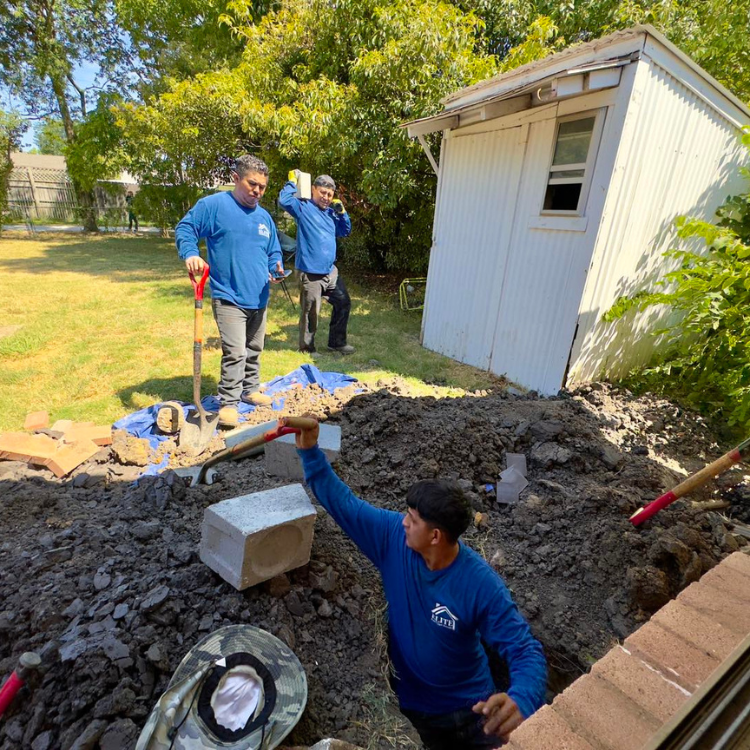
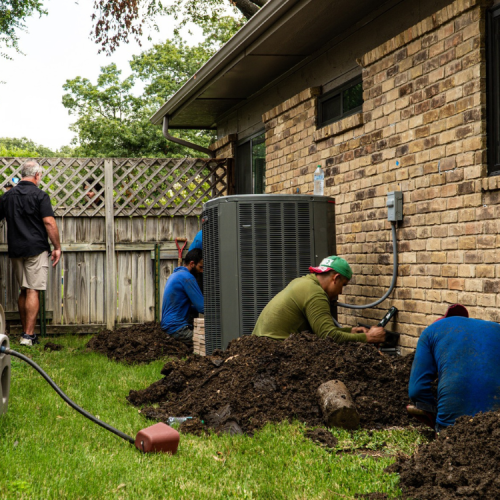
Finally, access and site conditions significantly affect cost. Tight spaces, mature landscaping, concrete patios, decks, or pools can all make it more challenging to install piers or perform excavation. In some Dallas neighborhoods, homes sit close together, limiting where equipment can be placed. If crews have to hand-dig around tree roots, protect elaborate hardscaping, or work in cramped crawlspaces, the labor time goes up—and so does the bill. None of this is arbitrary; it’s the direct result of how much effort is required to safely reach the areas that need reinforcement.
Common Repair Methods And Their Costs
Understanding the cost of foundation repair means understanding what you’re actually paying for. One of the most common solutions in Dallas is the installation of pressed concrete piers or steel piers under a slab foundation. Concrete piers are typically more economical up front, using stacked concrete cylinders pressed into the ground until they reach a stable layer. Steel piers can penetrate deeper and are often used where soil conditions are more challenging, but the materials and installation process are more expensive. The cost will usually be quoted per pier, so the number of piers recommended has a direct impact on your total.
For pier-and-beam homes, the repair approach is different. These foundations may need shimming and re-leveling of beams, replacement of rotted wood, or addition of new concrete pads and piers to support sagging areas. The cost is driven by how much of the structure is affected and how difficult it is to access the crawlspace. If the crawlspace is low, damp, and cluttered with old debris, the work is slower and more demanding. In many older Dallas properties, decades of patchwork repairs or DIY fixes can complicate the process, adding time and cost to properly correct the underlying issues.
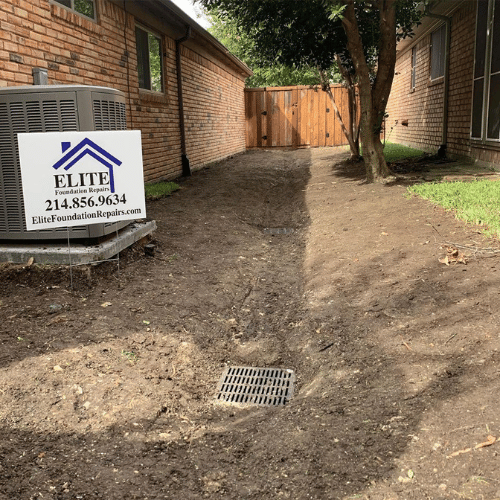
Some repairs also include secondary services that support the foundation work, such as drainage improvements, gutter adjustments, or concrete crack repairs. While these may feel like add-ons, they are often essential to protect your investment. If water continues to pool around a foundation, for example, even the best pier system can be stressed over time. Services like Drainage Correction can prevent recurring moisture problems that lead to movement. When comparing quotes, it’s important to note what is included: a cheaper estimate that leaves out necessary drainage or structural details may cost you more in the long run.
How Dallas Soils And Weather Change The Equation
Dallas, Texas sits on highly expansive clay soils that are notorious for swelling when wet and shrinking when dry. This natural behavior is one of the biggest reasons foundation problems are so common in the area—and it also explains a lot about repair costs. When the soil cycles repeatedly between saturated and bone-dry, the foundation experiences ongoing stress. Over years, this can cause differential settlement, where one part of the home moves more than another. Repair plans must be robust enough to handle not just current conditions but the ongoing expansion and contraction of these soils.
Seasonal weather patterns also matter. Long dry spells can cause significant shrinkage in the soil, leading to gaps around the foundation and downward movement. Heavy rain after drought can saturate those same soils, causing heave or additional shifting. When Elite Foundation Repairs evaluates a Dallas home, they consider the timing of the inspection relative to recent weather. Sometimes, measurements taken during an extreme drought or wet period need to be interpreted with caution so the repair design doesn’t “over-correct” for temporary conditions. This careful analysis adds professional value and helps avoid costly mistakes.
Because of these soil and climate realities, Dallas-area foundation repairs often require more piers or deeper support than what you might see in other regions with more stable ground. That can make local cost averages seem higher when you compare them to national numbers online. However, those generic averages don’t account for the specific challenges of our expansive clays. A properly designed repair in North Texas is an engineered solution to a difficult environment, and the cost reflects the need for long-term performance rather than a quick patch.
Why Waiting Usually Costs More
Many homeowners delay calling a foundation contractor because they’re afraid of the potential cost. Ironically, postponing the evaluation is often what makes the final bill higher. Foundation issues rarely stay static; once movement has started, ongoing soil cycles, plumbing leaks, or poor drainage can accelerate the damage. A crack that looks minor today may represent the beginning of a larger structural shift. Over time, this can lead to doors and windows sticking badly, floors sloping more noticeably, and even damage to interior finishes like tile and drywall that will later need repair.
From a cost perspective, early intervention generally means fewer supports and less invasive work. If a single corner of the home is settling, adding piers along that section might stabilize the structure before the movement spreads. If you wait until the entire side of the house has dropped and caused secondary cracking throughout, the number of piers needed can double or triple. In pier-and-beam homes, ignoring a damp crawlspace or minor sag can eventually lead to rotted beams and joists that must be replaced—not just shimmed. Each year of delay can turn a moderate repair into a major reconstruction.
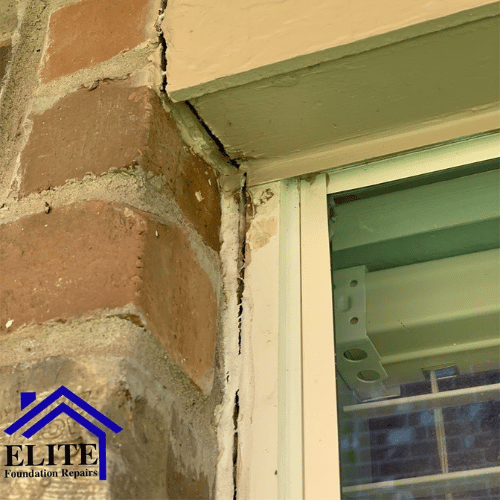
There’s also the secondary cost of collateral damage. As the foundation moves, brick mortar joints can crack, floor tiles can pop, and interior trim can separate. These cosmetic repairs are typically not included in a foundation repair quote, so you’ll be paying additional contractors after the structural work is done. By addressing issues earlier with a company like Elite Foundation Repairs, you can limit the ripple effect of damage and reduce the total amount you spend across all trades. In that sense, waiting isn’t just risky for your home’s structure; it’s risky for your budget.
How Contractors Build Your Estimate
When a foundation specialist visits your home, the process of building an estimate is more detailed than many people realize. It usually starts with a visual inspection: walking the interior and exterior, noting cracks, separations, and sticking doors. Then, most reputable companies in Dallas will take elevation readings using specialized equipment to map the floor levels throughout the home. This data helps distinguish between normal construction tolerances and true structural movement. The combination of visual clues and precise measurements forms the basis of the repair design.
Next, the contractor determines where support is needed and how many piers or structural elements are required. They’ll consider factors like load-bearing walls, beam locations, and how forces are distributed across the slab or framing. For slab foundations, they mark pier locations around the perimeter and sometimes in the interior if needed. For pier-and-beam homes, they identify low areas, inadequate supports, or deteriorated components. Each of these repair elements is then assigned a cost based on materials, labor hours, and any special equipment or access issues.
The final estimate is a combination of line items: piers, shimming, wood replacement, excavation, cleanup, and any related services like drainage improvements. A professional company such as Elite Foundation Repairs will explain why each item is included and how it contributes to stabilizing your home. If you receive two very different estimates from different contractors, it’s often because they are proposing different scopes of work, not because one is simply “cheaper.” Asking questions about the design, the number and type of supports, and what is covered by any warranty can help you compare apples to apples and understand the real value behind the numbers.
Planning, Budgeting, And Financing
Once you understand what goes into the cost of foundation repair, the next challenge is figuring out how to pay for it. Most homeowners in Dallas do not have a “foundation repair fund” sitting around, so the expense can feel overwhelming. The first step is to get a clear, written estimate and a detailed explanation of the work. With that in hand, you can prioritize timing. In some cases, small non-structural issues can be monitored for a short period; in others, significant movement or safety concerns mean the work should be scheduled as soon as possible.
Many reputable companies, including Elite Foundation Repairs, offer financing options or staged payment plans to make the cost more manageable. Instead of paying the full amount upfront, you might spread the cost over several months or years. When evaluating these options, consider the total interest and fees, not just the monthly payment. It’s also wise to compare the cost of financing now against the likely increase in repair costs if you delay the work for several years; in a growing city like Dallas, construction costs and material prices tend to rise over time.
Homeowners should also think about the impact on property value. A home with documented, professionally completed foundation repairs and a transferable warranty can actually be more attractive to some buyers than a home with visible problems and no repair history. While foundation work is rarely glamorous, it’s a critical component of maintaining your largest investment. When you factor in long-term stability, avoided damage, and potential resale benefits, the cost of proper foundation repair becomes easier to justify as a necessary and smart expenditure rather than a dreaded surprise.
Frequently Asked Questions
How much does foundation repair usually cost in Dallas? Costs can vary widely depending on the size of your home, the type of foundation, the severity of movement, and how many supports are needed. Some minor repairs might be in the low thousands, while extensive stabilization on a large home can be significantly more. Because of the expansive clay soils in Dallas, many homes require more piers or deeper supports than what you might see in other parts of the country. The only reliable way to know your cost is to have a detailed evaluation and written estimate that explains the specific work your house needs.
Why are there big differences between quotes from different contractors? Large price differences are usually tied to differences in the proposed scope of work, not just labor rates. One contractor might recommend a limited number of piers focused on the most affected area, while another proposes a more comprehensive system to address the entire side of the home. Some estimates may also include related work such as drainage improvements or wood replacement in crawlspaces, while others do not. When comparing quotes, ask each company to explain their design, the number and type of supports, and what is covered under their warranty so you can make a fair comparison.
Does homeowners insurance cover foundation repair? In most cases, standard homeowners insurance policies do not cover foundation repairs caused by normal soil movement, settlement, or age-related issues. Policies may provide coverage if the damage is the result of a sudden, covered event such as a burst plumbing line that causes immediate and obvious damage, but even then, the language can be very specific. It’s important to review your policy carefully and talk with your insurance agent. Companies like Elite Foundation Repairs can document their findings to help you have an informed conversation with your insurer, but the final decision rests with the insurance company and your policy terms.
Is it safe to buy a home that has had foundation repair? Yes, buying a home with professionally completed foundation repair can be a sound decision, especially if the work was done by a reputable company and comes with a transferable warranty. In the Dallas area, where soil movement is common, many homes have had some level of foundation work. Ask for documentation of the repairs, including diagrams, engineer reports if available, and warranty information. A thorough inspection and review of the repair history can actually give you more confidence than a home with suspicious cracks that have never been evaluated or addressed.
Can I reduce the chance of needing expensive repairs in the future? While you can’t change the clay soils under your Dallas home, you can take steps to reduce stress on your foundation. Maintaining consistent moisture levels around the foundation, ensuring proper drainage, keeping gutters and downspouts in good working order, and addressing plumbing leaks promptly all help. Periodic visual inspections for new cracks or changes in doors and windows can catch issues early. If you notice warning signs, contacting a specialist like Elite Foundation Repairs sooner rather than later can keep a manageable concern from becoming a major, more expensive problem.