Most homeowners don’t realize that the biggest danger to their crawl space isn’t always moisture, pests, or shifting soil – it’s bad information. Misleading advice, outdated building practices, and “quick fix” products have created a long list of crawl space repair myths that quietly damage homes across Dallas, Texas. By the time people call Elite Foundation Repairs, they’ve often spent thousands of dollars chasing the wrong solution or ignoring early warning signs because a myth made the problem sound harmless.
These myths spread easily because much of crawl space damage is out of sight. If you rarely look under your home, it’s tempting to trust a neighbor’s story, a generic online tip, or a bargain contractor promising a one-day fix. The problem is that crawl spaces in North Texas have very specific challenges: expansive clay soils, high humidity swings, and temperature extremes. What might be “good enough” advice in another part of the country can be destructive in Dallas. Understanding what not to do is just as important as knowing the right repair methods.
Before you invest in any crawl space work, it helps to separate fact from fiction. Below are some of the most common myths Elite Foundation Repairs encounters in Dallas-area homes, why they’re dangerous, and what you should avoid if you want a dry, stable, and healthy crawl space that actually supports your home instead of undermining it.
Myth 1: Ventilation Solves Everything
One of the most persistent myths is that “more air” is always better. Many homeowners still believe that opening or adding vents will dry out a damp crawl space. This idea came from decades-old building codes based on cooler, less humid climates. In North Texas, especially around Dallas, the outside air is often hot and humid for long stretches of the year. When that air enters a cooler crawl space, it can actually condense on surfaces and increase moisture instead of reducing it.
Think of it this way: if you open your windows on a sticky summer day, your air conditioner has to work harder and your indoor surfaces can feel damp. The same thing happens in your crawl space. Uncontrolled outdoor air brings in humidity, allergens, and even pollutants. Rather than drying the crawl space, those vents can maintain a constant source of moisture that feeds mold, wood rot, and rusting metal components.
Another problem is that homeowners often rely on vents as an excuse not to address root causes. If a contractor tells you, “We’ll just add a couple of vents and you’ll be fine,” that’s a red flag. In Dallas, long-term crawl space stability usually requires controlling moisture at its source: groundwater, plumbing leaks, poor grading, and unconditioned air. That’s why professional solutions from companies like Elite Foundation Repairs focus on encapsulation, drainage, and dehumidification rather than simply cutting more holes in your foundation walls.
What you should avoid is any repair plan that treats ventilation alone as the cure-all. Vents without moisture control can mask problems for a while, then suddenly you’re dealing with sagging floors or structural damage. The “more vents” approach is outdated and often harmful in our climate.
Myth 2: A Little Moisture Is No Big Deal
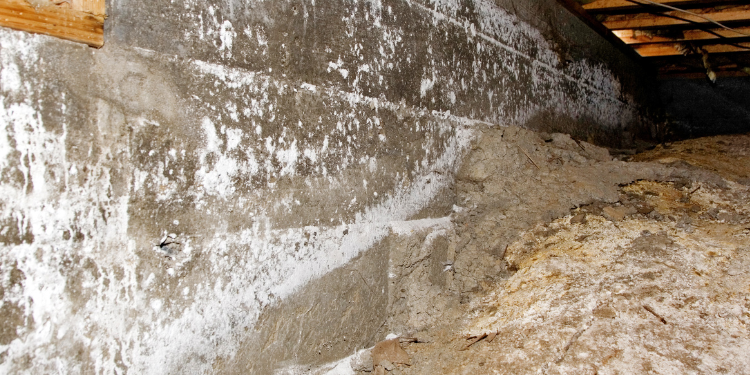
Another dangerous misconception is that some moisture in a crawl space is normal and harmless. Homeowners see a bit of dampness, a faint musty smell, or occasional puddles after heavy rain and assume it’s just part of having a crawl space. Over time, this mindset leads to serious structural issues. Wood doesn’t have to be soaked to start deteriorating; prolonged exposure to elevated humidity is enough to feed mold and wood-destroying fungi.
In the Dallas area, our clay soils hold water and expand when wet. That moisture can migrate up into the crawl space, raising humidity levels even if you don’t see standing water. Over months and years, the floor joists, beams, and subfloor can slowly weaken. By the time visible symptoms like uneven floors, squeaks, or soft spots appear, the damage is often more advanced and more expensive to fix than it needed to be.
There’s also the hidden health factor. Up to half of the air you breathe on the first floor of your home can originate from the crawl space through a process known as the stack effect. If that air is damp and contaminated with mold spores, dust mites, and odors, your indoor air quality suffers. People often spend money on air purifiers and duct cleaning while ignoring the damp crawl space that’s constantly feeding pollutants into the home.
The thing to avoid here is complacency. If someone tells you, “It’s just a little moisture, don’t worry about it,” be cautious. Elite Foundation Repairs regularly finds that “minor” moisture problems were the early warning signs of much bigger issues. Any persistent dampness, musty odor, or visible condensation in your Dallas crawl space deserves a thorough evaluation and a plan to control it, not just a shrug.
Myth 3: DIY Fixes And Band-Aid Products Work
Walk into a big-box home improvement store and you’ll see shelves of products promising quick crawl space solutions: plastic sheets, spray foams, plug-in fans, and off-the-shelf dehumidifiers. These products aren’t necessarily bad, but using them without a full understanding of your crawl space conditions is risky. Many Dallas homeowners try a do-it-yourself approach, only to call Elite Foundation Repairs later when the problem has grown and the earlier “fixes” have to be undone.
One common DIY mistake is laying down a thin plastic sheet on the ground without sealing seams, columns, or edges. Homeowners think they’ve “encapsulated” their crawl space, but in reality, moisture and soil gases are still entering from gaps and tears. This false sense of security can delay proper repairs while hidden damage continues. Another frequent issue is using residential dehumidifiers that aren’t sized or designed for crawl space environments, causing them to fail prematurely or run constantly without achieving real control.
Spray foam is another double-edged sword. When used correctly by trained professionals, it can be part of a solid crawl space repair system. But when applied haphazardly by DIYers or unqualified contractors, it can trap moisture against wood, hide leaks, and make future inspections nearly impossible. The foam may look neat and clean, but behind it, joists could be rotting or mold could be spreading unnoticed.
What to avoid is any repair strategy that relies solely on hardware store products without a proper design. Crawl spaces in Dallas require a system that considers soil moisture, drainage, vapor control, structural support, and air quality together. A piecemeal DIY approach rarely addresses all of these factors and can end up costing more in the long run when a professional has to remove and replace ineffective materials.
Myth 4: All Contractors Do The Same Thing
Many homeowners assume crawl space repair is a routine, standardized service and that the only difference between companies is price. That’s a myth that can be very costly. In reality, crawl space repair approaches vary widely. Some contractors focus on speed and minimal materials, others push a single product they install in every home, and only a subset take a full, diagnostic approach to your specific foundation and soil conditions.
In Dallas, the nature of our expansive clay soils means that crawl space issues are often intertwined with broader foundation concerns. A company without deep foundation experience may address surface symptoms like sagging floors with temporary jacks or shims, but ignore the soil movement and moisture patterns that caused the sagging in the first place. Elite Foundation Repairs, for example, evaluates both the structural and environmental sides of the problem, because a crawl space doesn’t exist in isolation from the rest of the foundation.
Another misconception is that getting three quotes means you’re automatically comparing equal solutions. You might have one contractor recommending partial repairs focused only on visible damage, another offering generic “one size fits all” encapsulation, and a third proposing a phased plan that addresses drainage, structure, and air quality. The cheapest bid can be tempting, but if it’s missing key components, you may end up paying twice – once for the shortcut and again for the proper fix.
What to avoid is choosing a contractor based solely on price or convenience without understanding their methodology. Ask how they assess moisture, what they do about drainage outside the crawl space, how they size dehumidifiers, and whether their structural supports are engineered for our local soils. A reputable Dallas company like Elite Foundation Repairs will be able to explain not just what they recommend, but why each element is necessary for long-term stability.
Myth 5: Encapsulation Is Overkill
Some homeowners hear about crawl space encapsulation and immediately think it’s an upsell or an unnecessary luxury. The myth goes something like this: “My house has been fine for decades without encapsulation, so why would I need it now?” The reality is that building practices, weather patterns, and homeowner expectations have all changed. What passed as “fine” thirty or forty years ago often meant drafts, musty odors, and hidden structural decay that simply went unnoticed.
Encapsulation, when done properly, is not about making your crawl space fancy – it’s about controlling the environment under your home so the structure lasts longer and your indoor air stays healthier. In the Dallas climate, encapsulation helps block ground moisture, seal out humid outdoor air, and create a controlled space where a properly sized dehumidifier can maintain stable humidity levels. It’s a proactive investment that can prevent wood rot, reduce pest problems, and limit the growth of mold and mildew.
A common mistake is confusing partial measures with true encapsulation. Simply putting down a thin plastic liner or sealing a few vents is not the same thing. Professional encapsulation involves heavy-duty vapor barriers sealed up the walls and around piers, careful attention to seams and penetrations, insulation where appropriate, and mechanical humidity control. When Elite Foundation Repairs designs an encapsulation system, it’s tailored to the specific crawl space height, soil moisture, and existing damage, not just a generic plastic wrap.
What you should avoid is dismissing encapsulation as “overkill” without understanding what problems it prevents. In many cases, the cost of repairing long-term rot, structural failures, or chronic mold issues far exceeds the cost of a well-designed encapsulation system. For homeowners in Dallas who plan to stay in their homes, encapsulation is often one of the smartest ways to protect both comfort and property value.
Myth 6: If The House Feels Solid, There’s No Problem
Perhaps the most subtle myth is the belief that as long as your floors feel solid and doors close properly, your crawl space must be in good shape. Structural problems rarely show up overnight. They develop quietly over years. Moisture slowly weakens wood fibers, metal fasteners corrode, and soils shift with wet and dry cycles. By the time you notice a dramatic slope in the floor or a door that won’t latch, the underlying damage can be extensive.
Dallas homeowners often underestimate how dynamic our soils are. During dry spells, the clay shrinks, and during rainy periods, it expands. These cycles can cause piers to settle unevenly, supports to shift, and beams to flex. Inside the home, the changes might be subtle at first: a hairline crack in drywall, a small gap at the baseboard, or a slightly bouncy spot in the hallway. It’s easy to ignore these signs, especially if someone tells you “old houses just do that.”
The risk in believing this myth is that you delay inspection and repair until the symptoms are impossible to ignore. At that point, you may need extensive structural reinforcement, pier adjustments, or even replacement of major components under the home. Regular inspections of your crawl space, especially in a region like Dallas, are a smart preventive measure. Elite Foundation Repairs often catches issues early during these checkups, when solutions are simpler and less disruptive.
What to avoid is waiting for a crisis before taking action. If you see recurring cracks, notice musty smells, or feel localized soft spots, don’t assume everything is fine just because the house hasn’t visibly shifted. A professional crawl space and foundation evaluation can reveal what’s happening under your home long before you feel it underfoot.
Frequently Asked Questions
How do I know if my crawl space myths are costing me money? If you’ve been relying on advice like “a little moisture is normal” or “just open the vents and it will dry out,” there’s a good chance your crawl space is not being properly managed. Signs that myths are costing you money include rising energy bills, persistent musty odors, floor squeaks or sags, and repeated pest problems. In Dallas, these symptoms often indicate that uncontrolled moisture and air movement are undermining both your structure and your comfort. A professional assessment from a company like Elite Foundation Repairs can show you exactly where myths have led to hidden damage and what it will take to correct it.
Is crawl space encapsulation always necessary in Dallas? Encapsulation is not a one-size-fits-all mandate, but in many Dallas-area homes it is the most effective long-term solution for controlling moisture and protecting the structure. Whether it’s necessary depends on factors like soil conditions, drainage, existing damage, and how you use your home. Some homes may benefit from targeted drainage improvements and structural repairs without full encapsulation, while others with chronic humidity issues or past water intrusion are strong candidates for a complete system. The key is to avoid assuming it’s overkill or a gimmick; instead, have a detailed evaluation done so you can see if encapsulation addresses real, documented problems in your specific crawl space.
Can I handle crawl space repairs myself if I’m handy? Basic tasks like cleaning debris or checking for obvious leaks can certainly be done by a handy homeowner, but comprehensive crawl space repairs are rarely a safe DIY project. Working in confined spaces with potential mold, pests, and structural instability can be hazardous. More importantly, designing an effective system for moisture control, structural support, and air quality requires specialized knowledge and equipment. In Dallas, where soil movement is a major factor, misjudging support placement or drainage can make problems worse. It’s usually wiser to invest in professional work from specialists such as Elite Foundation Repairs than to risk incomplete or incorrect DIY fixes that have to be redone.
What should I look for in a crawl space repair contractor? Look for a contractor with specific experience in crawl spaces and foundations, not just general remodeling or handyman work. They should perform a thorough inspection, explain moisture readings, identify structural issues, and present a clear, written plan. Ask how they handle drainage, vapor barriers, insulation, and humidity control together as a system. In Dallas, familiarity with expansive clay soils and local building practices is critical. Also, be wary of anyone who offers a one-size-fits-all solution or focuses only on a single product. A reputable company like Elite Foundation Repairs will tailor their approach and be able to show you previous projects and references in your area.
Where can I learn more about professional crawl space repair options? The best way to understand your options is to combine reliable educational resources with an on-site evaluation of your specific home. You can start by reviewing detailed information and service descriptions from local specialists. For example, Elite Foundation Repairs provides an overview of their approach to crawl space solutions here: Crawl Space Repair. From there, scheduling a professional inspection in the Dallas area will give you a clear picture of what’s happening under your home and which myths you can safely ignore moving forward.