The first time most homeowners in Dallas really notice the slope in their yard is after a heavy rain. Water races toward the house, mulch washes down the driveway, and patches of soil carve out miniature gullies where grass used to be. That same slope that once seemed like a minor quirk suddenly looks like a design problem and a potential threat to your home’s foundation. This is exactly where a well-planned retaining wall stops being a luxury and becomes a smart, attractive solution that protects your property and transforms the way your landscape looks and functions.
Retaining walls are often thought of as purely practical structures that hold back soil, but in reality they are one of the most powerful tools for elevating landscape aesthetics. Instead of fighting your yard’s natural grade, a retaining wall lets you sculpt it. You can carve out level terraces for patios, create plantable tiers that feel like outdoor rooms, and give your home a more polished, intentional curb appeal. When designed and built correctly, a retaining wall becomes an architectural feature that works hand-in-hand with your home’s style and the unique soils and climate of North Texas.
For homeowners in Dallas, where clay soils swell and shrink with moisture and sudden downpours can move a lot of earth in a short time, the visual appeal of a retaining wall is only half the story. Behind that finished stone or concrete surface is a structure that manages pressure, redirects water, and helps protect nearby foundations from erosion. Elite Foundation Repairs understands that every retaining wall is both a design statement and a structural system, and the best results come when both sides of that equation are treated with equal importance.
More Than Just A Wall
At its core, a retaining wall is a structure built to hold back soil that would otherwise slide or erode downhill. But if you stop thinking of it as a simple barrier and start thinking of it as a vertical landscape canvas, a lot of new possibilities open up. A wall can define outdoor living spaces, anchor a front yard design, or create a dramatic backdrop for lighting and plantings. The height, materials, and shape all influence the mood of the space, from sleek and modern to warm and rustic.
In Dallas neighborhoods where lots are often sloped or irregular, retaining walls can turn unusable areas into valuable square footage. A steep side yard can be reshaped into two or three level terraces, each with its own function: a play area, a vegetable garden, a quiet seating nook. The result is not only more practical space, but a layered, three-dimensional landscape that looks intentional rather than improvised. This visual structure adds depth and interest, especially when viewed from the street or from upper-story windows.
Retaining walls also help visually connect your home to the land it sits on. By choosing materials and proportions that echo elements of your house—such as matching stone colors, brick patterns, or linear concrete lines—you can create a cohesive look that ties driveway, entry, and outdoor living areas together. Elite Foundation Repairs often approaches retaining wall projects as part of a broader site strategy, ensuring that the wall supports not just the soil, but the overall design language of the property.
How Retaining Walls Protect Your Property
While retaining walls are excellent for aesthetics, their structural role is critical, especially in a region like North Texas. Dallas is known for expansive clay soils that swell when wet and shrink when dry, exerting significant pressure on anything built nearby. A poorly designed or improperly drained wall can bow, crack, or even fail altogether. Worse, mismanaged runoff can move toward your home, affecting the stability of your foundation over time.
A properly engineered retaining wall recognizes that soil is always trying to move. Behind the decorative face is a carefully constructed system: compacted base material, reinforcement where needed, and most importantly, drainage. Without paths for water to escape, hydrostatic pressure builds up behind the wall, pushing it outward. Elite Foundation Repairs incorporates drain pipes, gravel backfill, and weep holes as needed so that water has somewhere to go other than straight into the wall or toward your house.
This attention to drainage does more than protect the wall itself. By redirecting runoff away from your foundation, patios, and walkways, retaining walls help reduce erosion and standing water problems that can undermine structures. Over time, that means fewer cracks, less settlement, and a more stable property. When a retaining wall is coordinated with other water management strategies—such as grading, gutters, and in some cases solutions like Crawl Space Encapsulation—you create a comprehensive line of defense against moisture-related issues.
For homes built on lots that drop off sharply at the back or side, retaining walls can also provide a measure of safety. They can act as barriers near steep changes in elevation, define safe walkways, and create clear boundaries for children’s play areas. In this way, they enhance both the appearance and the functionality of your outdoor spaces, making them more usable and comfortable year-round.
Design Choices That Shape Aesthetics
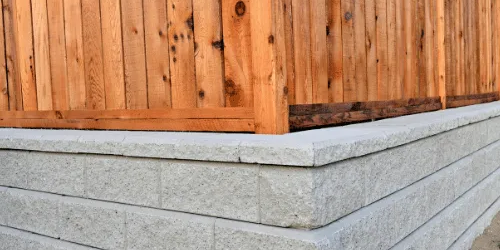
From a design perspective, the most exciting part of a retaining wall project is selecting the style, material, and layout. These decisions have a huge impact on the overall feel of your landscape. Some Dallas homeowners prefer the clean lines of poured concrete or large-format concrete blocks, which pair well with modern and contemporary homes. Others gravitate toward natural stone, which has a timeless, organic look that softens the transition between lawn, planting beds, and hardscape.
The height and length of the wall also influence aesthetics. A single tall wall can feel imposing, while a series of lower, stepped walls can create a more inviting, terraced effect. Terracing is especially effective when you want to integrate planting beds. Each level can host a different mix of shrubs, perennials, and groundcovers, adding color and texture throughout the year. This layered planting style makes the wall feel like part of the landscape rather than an object placed on top of it.
Curves versus straight lines is another key decision. Curving walls can soften the geometry of a yard, guide the eye toward focal points, and feel more natural in informal gardens. Straight, angular walls suit more formal or urban settings and can align with architectural lines of the home. Elite Foundation Repairs helps homeowners think through how people will move around the space, how light hits different parts of the yard, and how the wall will look from key vantage points before finalizing a design.
Finishing touches also matter. Capstones, integrated steps, built-in seating, and low-voltage lighting can turn a basic retaining wall into a multifunctional feature. A simple set of stone steps incorporated into a wall can connect upper and lower yard areas gracefully. Discreet lighting along the base or top of the wall creates dramatic shadows and improves safety at night. These details elevate the aesthetic impact and make the space more welcoming and usable.
Working With Dallas Soil And Climate
Designing a beautiful retaining wall in Dallas is one thing; making sure it stands up to North Texas conditions is another. The region’s heavy clay soils expand significantly when saturated and contract during dry spells. This constant movement puts stress on any rigid structure, including walls and foundations. An experienced contractor like Elite Foundation Repairs understands how to factor this behavior into the design and construction process.
Proper excavation and base preparation are essential. The soil must be evaluated for stability, and in some cases, unsuitable material should be removed and replaced with compacted aggregate. The base of the wall needs to be level, well-compacted, and set at the correct depth to resist sliding and settling. Skipping or rushing these steps might not show problems immediately, but over a few seasons, signs of distress—leaning, cracking, or bulging—can appear.
Drainage is especially important in Dallas, where storms can dump large volumes of water in a short time. A retaining wall must be able to handle intense runoff without being overwhelmed. That means incorporating gravel backfill behind the wall to promote drainage, placing perforated drain pipes at the base to carry water away, and sometimes tying the wall’s drainage system into broader site drainage solutions. These measures reduce the pressure on the wall and help maintain the stability of nearby structures and landscaping.
The climate also influences material choices and maintenance expectations. Freeze-thaw cycles are less severe in Dallas than in colder regions, but temperature swings and intense sun exposure can still affect certain materials. Quality construction and appropriate sealers or treatments, when needed, help extend the lifespan of the wall. Elite Foundation Repairs combines local experience with proven engineering principles so that the finished wall looks good not just on day one, but for many years to come.
Integrating Walls Into Your Landscape Plan
A retaining wall has the biggest aesthetic impact when it’s planned as part of a complete landscape rather than as an isolated fix. Instead of simply stopping erosion on one slope, consider how that slope interacts with your patio, walkways, planting beds, and entryways. A well-placed wall can frame an outdoor kitchen, create a sense of enclosure around a fire pit, or define the edge of a driveway in a way that feels intentional and high-end.
Think about circulation as well: how you move from the back door to the lawn, from the driveway to the front steps, or from one terrace to another. Retaining walls can incorporate stairs, landings, and pathways that make these transitions smoother and more attractive. By coordinating materials—using the same stone for wall caps and step treads, for example—you can create visual continuity that makes your outdoor space feel like a unified environment rather than a series of disconnected elements.
Planting design is another powerful way to soften and enhance retaining walls. Cascading groundcovers can spill over the edge of lower walls, shrubs can be used to break up long runs of masonry, and trees can provide scale and shade around taller structures. In Dallas, drought-tolerant and heat-resilient plants are especially valuable, adding color and life with less water demand. When plants and walls are planned together, the result is a landscape that feels lush and inviting rather than stark or overly hardscaped.
Finally, consider views from inside your home. Many homeowners focus solely on what the yard looks like when they are standing outside, but you likely see your landscape most often through windows. A terraced retaining wall with layered plantings can turn a once-blank view into a living mural that changes with the seasons. Elite Foundation Repairs often works with homeowners to position walls and features where they will have maximum visual impact from both interior and exterior vantage points.
Choosing A Qualified Retaining Wall Contractor
Because retaining walls must perform structurally as well as visually, choosing the right contractor is crucial. In the Dallas area, you want a team that understands both foundation behavior and landscape design. Elite Foundation Repairs brings a foundation-focused perspective to retaining wall projects, which means they look beyond the immediate slope problem and consider how the wall will interact with your home’s footing, surrounding soil, and overall drainage patterns.
A qualified contractor will start with an on-site assessment, not just a quick glance at photos. They will examine soil conditions, measure grade changes, note existing drainage paths, and ask how you want to use the space. From there, they can recommend wall types, heights, and materials that fit both your design goals and the site’s technical requirements. For larger or more complex walls, engineering input may be needed to ensure safety and long-term performance.
Transparency about construction methods is another sign of a reputable professional. You should expect clear explanations about how the base will be prepared, how drainage will be handled, what kind of reinforcement (if any) will be used, and what maintenance the wall will require over time. Elite Foundation Repairs emphasizes education and communication, helping homeowners understand not just what is being built, but why each element is important.
In the long run, a properly designed and constructed retaining wall is an investment that can increase your property’s value, improve curb appeal, and reduce the risk of costly foundation or erosion problems. Cutting corners might save a bit upfront, but the aesthetic and structural consequences can be significant. Partnering with a contractor who respects both the art and the engineering of retaining walls ensures that your project enhances your landscape in every sense.
Frequently Asked Questions
How tall can a retaining wall be in a residential yard? In most residential settings, small garden walls under about 3 to 4 feet can often be built without formal engineering, depending on local codes. However, taller walls or walls supporting driveways, structures, or steep slopes typically require engineering and permits. In Dallas, Elite Foundation Repairs evaluates not just the height, but what the wall is holding back, the soil conditions, and any nearby loads to determine safe and code-compliant design. Even for shorter walls, professional planning is wise if the wall is close to your home or managing significant water flow.
What materials work best for retaining walls in Dallas? Several materials perform well in North Texas when properly installed. Segmental concrete blocks are popular because they are durable, modular, and designed specifically for retaining applications. Natural stone offers a classic look and blends beautifully with landscaping, but requires skilled installation for structural reliability. Poured concrete and concrete masonry units provide strong, clean-lined options for modern designs. Elite Foundation Repairs helps homeowners choose materials based on aesthetics, budget, and site conditions, ensuring the selected option can handle local soil movement and weather.
How long should a retaining wall last? A well-designed and properly constructed retaining wall can last decades. The exact lifespan depends on the materials used, the quality of installation, and how effectively drainage and soil pressure are managed. In Dallas, where soil movement is a factor, attention to base preparation, backfill, and water control is critical. With regular inspections, prompt repair of minor issues, and good overall yard drainage, many walls can perform reliably for 30 years or more. Elite Foundation Repairs focuses on long-term durability, not just short-term appearance.
Can a retaining wall fix drainage problems around my home? A retaining wall can be a powerful part of a drainage solution, but it is rarely the only component. By reshaping the grade and providing structure, walls can redirect runoff away from your foundation, prevent soil from washing toward the house, and create controlled paths for water to flow. However, they should be integrated with grading adjustments, gutters, downspout extensions, and sometimes subsurface drainage systems. Elite Foundation Repairs evaluates the entire site to ensure the wall works with, not against, other drainage measures.
Do I need permits or engineering for my retaining wall project? Permit requirements vary by municipality and by the height and function of the wall. In many North Texas cities, walls above a certain height or those supporting driveways, structures, or significant slopes require permits and engineered plans. Even when permits are not mandated, engineering input can be valuable for walls that will experience high loads or complex soil conditions. Elite Foundation Repairs is familiar with local requirements in the Dallas area and can guide you through the process to ensure your wall is both compliant and structurally sound.