Musty odors drifting up from floor vents, cupping hardwood floors, and unexplained spikes in energy bills all have something in common: a crawl space that is not being maintained properly, even if it has already been encapsulated. Many Dallas homeowners assume that once the plastic vapor barrier, dehumidifier, and insulation are installed, the job is finished forever. In reality, encapsulation is only as effective as the care it receives over time. Without regular checks and simple upkeep, even a professionally encapsulated crawl space can slowly revert to the damp, mold-prone environment you were trying to eliminate.
Essential crawl space encapsulation maintenance tips are about protecting the investment you have already made and preventing small issues from turning into serious structural or air-quality problems. In the North Texas climate, with its swings from humid summers to occasional winter cold snaps and expansive clay soils, the conditions beneath your home can change more quickly than you might expect. Elite Foundation Repairs works with homeowners across Dallas, Texas who thought their encapsulation was “set and forget,” only to discover moisture buildup, torn liners, or malfunctioning equipment that had gone unnoticed for years.
When you understand what to look for and how often to look for it, maintenance becomes straightforward and manageable. Instead of waiting for signs of trouble inside your living space, you can catch issues early in the crawl space where they are easier and less expensive to correct. The following guide walks through the essential habits, inspections, and professional services that keep an encapsulated crawl space doing its job: controlling moisture, improving air quality, and protecting your foundation for the long term.
Know What A Healthy Crawl Space Looks Like
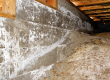
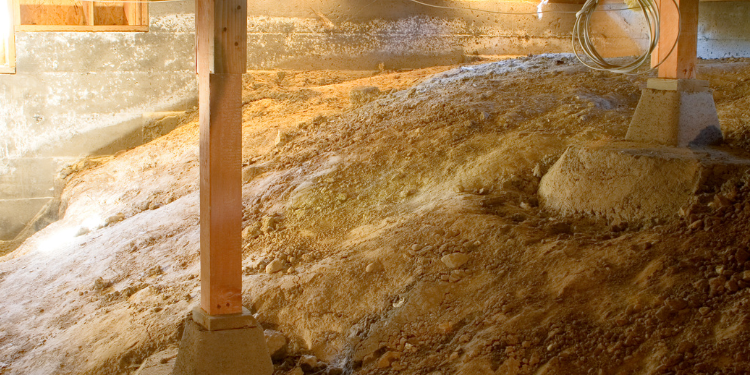
Before you can maintain an encapsulated crawl space, you need a clear mental picture of what “normal and healthy” looks like under your home. In a well-maintained encapsulated space, the air should feel dry or only mildly humid, not sticky or heavy. There should be no musty odor, standing water, or visible mold on surfaces. The plastic vapor barrier should lie flat and tight against the ground and walls, with seams taped securely and no obvious tears or gaps around piers or at wall penetrations.
It is equally important to pay attention to the condition of wooden framing members and insulation. Floor joists and beams should appear dry, with no dark staining, soft spots, or fuzzy growth. Any insulation installed on foundation walls or between joists should sit snugly in place without sagging or signs of moisture. In the Dallas area, where humidity and soil moisture can fluctuate, subtle changes in wood color or insulation position can be early clues that the encapsulation system is being stressed and needs attention.
Mechanical components are another part of the “healthy baseline.” Dehumidifiers, sump pumps, and any ventilation fans should be level, securely mounted, and free of rust, corrosion, or standing water beneath them. If the system has a digital humidity display or control panel, the readings should be stable and within the target range set by your installer. By familiarizing yourself with these baseline conditions shortly after installation or after a professional tune-up, you will be able to notice small deviations during future inspections long before they evolve into serious problems.
Regular Visual Inspections And Safe Access
One of the simplest yet most powerful maintenance tips is to schedule regular visual inspections of your encapsulated crawl space. For many Dallas homeowners, twice a year is a practical starting point: once in late spring before the peak humidity of summer, and once in early fall after the rainy season. If your home has a history of moisture issues or sits in a low-lying area, you may want to look more often, especially after heavy storms. Consistency matters more than perfection; a steady habit of checking will reveal trends that a single visit might miss.
Safety and comfort are essential for these inspections. Make sure your crawl space access door is in good condition, opens easily, and seals properly when closed. Bring a bright flashlight or headlamp, wear gloves and a dust mask, and move slowly to avoid damaging the vapor barrier. Walk only on designated paths, boards, or concrete pads if available; stepping directly on the liner can puncture it, especially if small stones or debris lie beneath. Elite Foundation Repairs often sees damage that began with someone dragging tools or storage items across the liner, so treat the space as a protected system, not a storage room.
During each inspection, follow a simple, repeatable route. Start at the access door, look around the perimeter walls, then move inward to check around piers, mechanical equipment, and any plumbing or electrical penetrations. You are looking for moisture, tears in the liner, condensation on pipes or equipment, signs of pests, and anything that looks out of place. Take photos with your phone during each visit; they provide a record you can compare over time and are extremely helpful when you call a professional like Elite Foundation Repairs to discuss what you are seeing.
Managing Moisture And Humidity Levels
The heart of crawl space encapsulation maintenance is moisture control. Even with a high-quality vapor barrier, Dallas-area homes can experience changes in humidity due to soil moisture, plumbing leaks, or changes in outdoor weather. A key tip is to monitor humidity levels regularly using either the built-in display on your dehumidifier or a separate hygrometer placed in the space. Ideally, you want relative humidity to stay in the general range recommended by your installer, often around 50–60 percent, to discourage mold and wood rot while avoiding overly dry conditions that can stress wood.
If you notice humidity creeping above the target range, resist the urge to simply ignore it. Instead, treat it as a prompt to investigate. Is the dehumidifier running? Are its filters clean and air intakes unobstructed? Is there any standing water in low spots or signs of a recent leak? Sometimes the issue is as simple as a tripped breaker or a clogged filter; other times, it indicates a new source of water intrusion that needs professional evaluation. In North Texas, where sudden downpours can overwhelm older drainage systems, high humidity in an encapsulated crawl space can be one of the first signs that surface water management around the home needs improvement.
Addressing the source of moisture is always more effective than relying on equipment alone. Gutters, downspouts, grading, and drainage improvements can dramatically reduce the amount of water that ever reaches your foundation. If recurring moisture problems persist despite encapsulation, it may be time to consider exterior solutions such as French drains or other Drainage Correction services coordinated with a foundation specialist. By reducing the load on your encapsulation system, you extend the life of its components and improve the stability of your home’s foundation.
Caring For Dehumidifiers, Pumps, And Vents
Encapsulation often includes mechanical systems that require basic upkeep to remain reliable. Dehumidifiers, in particular, work hard in the Dallas climate and benefit from periodic cleaning and inspection. Check the manufacturer’s recommendations, but many units need their filters cleaned or replaced several times a year. Dust and debris buildup can reduce efficiency, forcing the unit to run longer and increasing wear. During your crawl space checks, verify that the dehumidifier is level, its drain line is clear, and there are no error codes or unusual noises.
If your encapsulated crawl space includes a sump pump, give it special attention. Sump basins can collect silt, debris, or even insects that interfere with float switches and pump operation. At least once or twice a year, visually inspect the basin, make sure the pump is plugged in and the discharge line is intact, and consider testing the pump by adding water to the basin if you feel comfortable doing so. Elite Foundation Repairs often finds that non-functioning pumps go unnoticed until a major storm reveals the problem, by which time water has already accumulated beneath the home.
Some encapsulation systems incorporate controlled ventilation or sealed vents. If you have mechanical ventilation, confirm that fans are operating as intended and that vent covers or seals remain tight and undamaged. For sealed-vent systems, make sure no one has removed or broken covers to “air out” the crawl space; in an encapsulated environment, random venting can introduce humid air and undermine the entire system. When in doubt about how your particular setup should behave, contacting a foundation professional who understands encapsulation in the Dallas area is far safer than experimenting with vent openings on your own.
Protecting The Vapor Barrier And Insulation
The plastic liner that covers your crawl space floor and walls is the backbone of your encapsulation system, and it is more vulnerable than many homeowners realize. Sharp tools, dropped objects, or even frequent foot traffic can create small punctures that become pathways for moisture and soil gases. As a key maintenance habit, minimize unnecessary trips into the crawl space and avoid using it for storage. When access is required for other contractors, such as plumbers or electricians, ask them explicitly to protect the vapor barrier and use boards or crawl mats if they need to move equipment across the liner.
During your inspections, scan carefully for damage to the liner. Look for tears, loose seams, missing tape, or gaps around piers and penetrations. Small defects are often simple to repair when caught early, but if ignored, they can allow humidity and soil moisture to bypass the encapsulation and collect in hidden areas. In Dallas, where the soil can expand and contract seasonally, slight shifts in piers or plumbing can also stress the liner, so recurring or widespread damage may indicate movement that deserves a professional look.
Insulation is another component that benefits from regular attention. Encapsulated crawl spaces may use rigid foam on foundation walls, spray foam, or other materials depending on the design. Watch for areas where insulation has pulled away, become damp, or shows signs of pest activity such as tunnels or droppings. Wet or displaced insulation is not just an energy-efficiency issue; it can hold moisture against wood and create breeding grounds for mold. Elite Foundation Repairs often recommends targeted repairs rather than full replacement when problems are localized, but those decisions rely on early detection through consistent maintenance checks.
When To Call A Professional In Dallas
Homeowners can handle many aspects of crawl space encapsulation maintenance, but there are clear moments when professional help is the wisest choice. If you see visible mold growth, significant standing water, widespread liner damage, or structural concerns such as sagging beams or cracked piers, it is time to bring in a specialist. In the Dallas, Texas region, where foundation movement is common due to clay soils, what looks like a minor moisture issue can sometimes be tied to more serious settlement or heaving that merits a comprehensive evaluation.
It is also a good idea to schedule periodic professional checkups even if nothing obvious appears wrong. Much like having your HVAC system serviced annually, a crawl space encapsulation tune-up lets a trained eye evaluate components you might overlook. Elite Foundation Repairs, for example, can assess the performance of dehumidifiers and pumps, test humidity at multiple locations, examine the condition of structural supports, and verify that the encapsulation design still matches the way your home is behaving over time. Small system adjustments can often improve performance and head off future problems.
Finally, do not hesitate to ask for guidance if you are unsure whether something you see is normal. Photos and descriptions shared with a foundation professional can quickly clarify whether you are looking at harmless discoloration or a sign of active moisture intrusion. The cost of an inspection or minor repair is almost always far lower than dealing with widespread mold remediation, structural repairs, or floor replacement later. In the long run, partnering with a trusted local company familiar with Dallas conditions is one of the most effective maintenance strategies you can adopt.
Frequently Asked Questions
How often should I inspect my encapsulated crawl space? For most homes in Dallas, inspecting your encapsulated crawl space twice a year is a practical standard: once heading into the humid summer months and once after the rainy season. If your property sits in a low area, has a history of water issues, or experienced recent foundation work, you may want to look in more frequently or after major storms. The key is to be consistent and to take notes or photos so you can spot changes over time. Regular inspections make it much easier to catch minor problems early and avoid costly repairs later.
What humidity level should I maintain in my crawl space? While exact targets can vary by system design, many encapsulated crawl spaces perform well with a relative humidity around 50–60 percent. This range is typically low enough to discourage mold growth and wood decay but not so dry that it stresses wooden framing. Use your dehumidifier’s built-in controls or a separate hygrometer to monitor levels periodically. If readings remain consistently above the target range or fluctuate wildly, it is a signal to investigate for water intrusion, equipment issues, or changes in drainage around your home and to consult a professional if the cause is not obvious.
Can I store items in an encapsulated crawl space? It is technically possible to store a few lightweight items on designated platforms, but it is not recommended to use your encapsulated crawl space as general storage. Boxes, furniture, or heavy objects can puncture or deform the vapor barrier, restrict airflow around equipment, and make inspections difficult. Cardboard and fabrics also attract pests and can absorb moisture, creating problems you were trying to avoid. If storage is unavoidable, use sturdy shelving or raised platforms that do not rest directly on the liner and keep items to a minimum, but the safest approach is to treat the space as a protected mechanical and structural zone, not a storage room.
What are the signs that my encapsulation system is failing? Common warning signs include musty odors returning inside the home, visible condensation on pipes or equipment, standing water in the crawl space, or a sudden jump in humidity readings. You might also notice cupping or warping of hardwood floors, increased allergy symptoms, or rust and corrosion on metal components under the house. In more advanced cases, you may see mold growth on wood or insulation, or feel that certain rooms above the crawl space are becoming uneven or bouncy. Any of these symptoms warrant a closer inspection and, if confirmed, a call to a foundation or encapsulation professional.
Do I still need professional help if I follow these maintenance tips? Regular homeowner maintenance goes a long way, but it does not replace the value of periodic professional evaluations, especially in a challenging climate like Dallas. Professionals have tools and experience to detect subtle structural shifts, hidden moisture pathways, and equipment performance issues that might not be obvious during a quick visual check. Think of your efforts as first-line defense and professional visits as deeper checkups. Together, they form a comprehensive approach that keeps your crawl space encapsulation performing as intended and protects your home’s foundation for the long term.