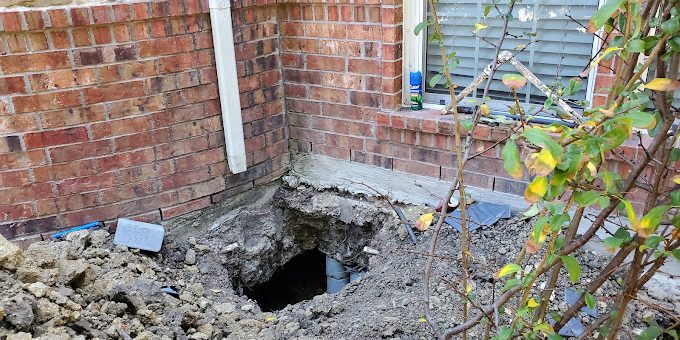
One morning you step outside in Dallas and notice a thin crack zigzagging down the side of your brick wall. A few weeks later, that same crack is wider, a door inside the house sticks every time you close it, and the floor near the hallway feels slightly uneven under your feet. Nothing catastrophic has happened, but something is clearly changing beneath your home. This is the moment when a comprehensive guide to foundation repair services stops being an abstract idea and becomes very real, because what you do next can protect – or jeopardize – the largest investment you own.
Foundation issues rarely appear overnight. In North Texas, with its expansive clay soils and dramatic weather swings, problems tend to sneak up slowly: a small gap between baseboards and flooring, hairline cracks in the drywall, a window that suddenly refuses to latch. Homeowners often ignore these early signs, hoping they are just cosmetic. Yet, beneath the surface, the soil may be shifting, moisture levels changing, and structural loads redistributing. Understanding what foundation repair services involve, and how professionals like Elite Foundation Repairs in Dallas approach them, can turn that anxiety into a clear action plan.
This guide walks through how foundation problems develop, what a proper inspection should include, the main repair methods used in Dallas, and how reputable contractors tailor solutions to your specific home rather than selling one-size-fits-all fixes. Whether you are already seeing serious cracks or just want to stay ahead of potential damage, knowing the process from inspection to repair and prevention will help you make confident, informed decisions.
Why Dallas Homes Need Attention
The first step in understanding foundation repair is recognizing why homes in Dallas, Texas, are particularly vulnerable. The region’s soil is dominated by expansive clays that swell dramatically when wet and shrink when dry. During rainy periods, soil can push upward on your foundation, and during extended droughts, it contracts and pulls away, leaving voids under slabs and beams. This constant expansion and contraction creates movement that a rigid concrete foundation is not designed to handle indefinitely.
Climate patterns intensify this problem. Dallas experiences hot summers, occasional deep freezes, and periods of heavy rainfall followed by long dry spells. When these cycles repeat year after year, the stresses on your foundation accumulate. A house that seemed perfectly stable for a decade can suddenly start showing distress as tiny shifts add up, and previously minor imperfections in construction or drainage become serious weaknesses.
Construction practices and neighborhood development also play a role. Some older homes were built with minimal soil studies or on lots that were not properly graded. Newer subdivisions may have large areas of soil that were cut and filled, creating inconsistent support under different parts of the same slab. Elite Foundation Repairs regularly sees cases in Dallas where one corner of a home was built over compacted fill and another over native clay, leading to uneven settlement that must be corrected with a carefully designed repair plan.
Recognizing Early Warning Signs
Many homeowners wait until the signs of foundation problems are impossible to ignore, but early detection can drastically reduce the scope and cost of repairs. Interior symptoms often show up first. You may notice diagonal cracks at the corners of doors or windows, separation where walls meet ceilings, or tile grout lines that begin to fracture. Doors that once swung freely might start rubbing against the frame, and you may see daylight around window edges where the frame has shifted.
Floor changes are another clue. In pier and beam homes, you might feel soft or bouncy spots where joists are no longer fully supported. In slab-on-grade houses, subtle slopes can develop, making furniture appear slightly off level or causing a rolling sensation when you walk across certain rooms. These changes usually happen slowly, so paying attention over time is important. Elite Foundation Repairs technicians often ask homeowners when they first noticed an issue and whether it has worsened, because the progression helps diagnose the underlying cause.
Outside, look for stair-step cracks in brick, gaps between brick and window or door frames, and areas where the soil is pulling away from the foundation. Gutters that overflow or downspouts discharging near the slab can create concentrated moisture that leads to differential movement. Standing water near the home after storms is another red flag. None of these signs alone prove you have a serious structural issue, but together they paint a picture that a professional should evaluate.
What A Professional Inspection Should Include
A thorough foundation inspection is far more than a quick walk-around and a guess. When Elite Foundation Repairs evaluates a home in Dallas, they approach it systematically, starting with a detailed conversation with the homeowner about the history of the property, any previous repairs, and the timeline of observed changes. This background information helps narrow down whether the problem is long-standing settlement, sudden movement due to plumbing leaks, or recent soil changes from weather or landscaping.
Technicians then perform a comprehensive visual assessment inside and out. They note crack locations and directions, measure door and window misalignments, and observe any unusual separations in trim, flooring, or masonry. Because many symptoms can be misleading, the team correlates what they see with elevation readings taken using specialized equipment. These elevation measurements create a map showing how different parts of the foundation have moved relative to each other.
An inspection should also consider drainage, grading, and vegetation. Poorly directed downspouts, negative grading that slopes toward the home, or large trees too close to the foundation can all affect moisture levels and soil stability. In many Dallas homes, foundation issues are a combination of soil movement and water management problems. A comprehensive inspection identifies both the structural concerns and the environmental factors that must be corrected to make the repair last.
Common Foundation Repair Methods
Once the inspection reveals what is happening under your home, the next step is choosing the right repair method. In Dallas, one of the most common solutions for slab foundations is the installation of piers. These are structural elements placed beneath the existing foundation to transfer the weight of the home from unstable surface soils to deeper, more stable layers. Depending on soil conditions and structural needs, Elite Foundation Repairs may recommend concrete pressed piers, steel piers, or drilled piers.
Concrete pressed piers are often used in areas where the underlying soils provide adequate resistance. Cylindrical concrete segments are hydraulically pressed into the ground beneath the foundation until they reach a depth where they can bear the load. Steel piers, on the other hand, can penetrate deeper and are often chosen for homes experiencing significant movement or built on particularly challenging soils. The piers are installed in a pattern designed to support and, in many cases, gently lift the structure back toward its original position.
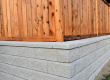
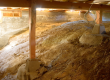
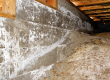
For pier and beam homes, the strategy is different. Technicians may need to access the crawl space to add or adjust concrete pads, replace deteriorated wooden beams or joists, and re-level the structure using shims. In some cases, a combination of interior and exterior supports is required. Beyond primary structural repairs, additional services like drainage correction, root barriers around trees, and even specialized structures such as Retaining Walls can be part of a comprehensive solution, especially on sloped lots or properties experiencing erosion.
How Elite Foundation Repairs Designs A Solution
Not every crack requires the same treatment, and a trustworthy contractor in Dallas will never prescribe a repair plan without aligning it with the specific behavior of your home. Elite Foundation Repairs starts by analyzing elevation data, soil conditions, and the pattern of visible damage. They determine which parts of the house are moving, whether the movement is ongoing or has stabilized, and what is driving that movement. The recommended pier placement, depth, and type are based on this data, not on a generic template.
Communication is a central part of the process. A reputable team explains why certain areas of the home require support and others do not, and they outline the expected results and limitations of the repair. For instance, some cosmetic cracks may close significantly when the foundation is lifted, while others may remain but stop worsening. Homeowners are given realistic expectations about what “level” means in an older structure and how the repair will improve both stability and comfort.
Project planning also includes logistics and homeowner impact. Elite Foundation Repairs discusses access points, potential landscaping disruptions, estimated project duration, and how daily life will be affected during the work. In many Dallas homes, projects can be completed in a matter of days, but the planning ensures that the crew can work efficiently while protecting your property. Transparent contracts, clear diagrams of pier locations, and written warranties are all part of a professional, comprehensive service.
Life After Foundation Repair
Finishing a foundation repair project is not the end of the story; it is the beginning of maintaining a more stable home. After piers are installed or beams adjusted, the soil and structure need time to settle into their new relationship. It is common for homeowners to schedule cosmetic repairs to drywall, brick, and trim after the foundation work, once the major movement has been addressed. Elite Foundation Repairs often advises waiting a short period before undertaking extensive interior finishes so that minor post-repair adjustments can be accounted for.
Ongoing maintenance is crucial in Dallas’s climate. Proper drainage is the first line of defense: gutters should be clean and sized correctly, downspouts should discharge well away from the foundation, and the soil around the home should slope gently outward. In long dry spells, controlled watering around the perimeter can help maintain more consistent soil moisture, reducing extreme shrink-swell cycles. This does not mean soaking the foundation, but rather following a balanced watering plan appropriate for the soil and landscaping.
Regular monitoring rounds out a comprehensive approach. Homeowners should keep an eye on previous problem areas, noting any new changes in cracks, doors, or floors. Many reputable companies provide follow-up visits or inspections as part of their service, especially if a warranty is involved. By staying engaged and proactive, you can extend the life of your foundation repair and prevent small issues from escalating into major concerns again.
Frequently Asked Questions
How do I know if my home really needs foundation repair or just cosmetic fixes? The difference often comes down to patterns and progression. Isolated hairline cracks that do not change over time may be cosmetic, but multiple cracks, sloping floors, sticking doors, and gaps around windows suggest structural movement. The safest way to determine this is through a professional evaluation that includes elevation measurements and a review of drainage and soil conditions. Companies like Elite Foundation Repairs in Dallas use both visual evidence and data to distinguish between surface imperfections and genuine foundation problems.
Will foundation repair damage my yard or landscaping? Any structural repair that involves installing piers or accessing a crawl space will require some degree of excavation, which can disturb grass, flower beds, or hardscape near the foundation. However, experienced contractors plan carefully to minimize impact. Soil is typically replaced and rough-graded after work, and many homeowners re-sod or replant affected areas afterward. Discuss specific landscaping concerns with your contractor beforehand so they can adjust access points or suggest protective measures.
How long does a typical foundation repair project take in Dallas? The duration depends on the size of the home, the extent of movement, and the repair method used. Many residential pier installations can be completed in two to five days, while more complex projects or those involving extensive drainage corrections may take longer. During the initial consultation, Elite Foundation Repairs provides a projected timeline based on the number of piers, accessibility, and any additional services needed. Most homeowners can remain in their homes throughout the process, with only minor daily disruptions.
Is foundation repair a permanent solution, or will I need more work later? Quality foundation repair is intended to provide long-term stability, especially when piers reach deep, stable strata and environmental factors like drainage are corrected. However, soil conditions, tree growth, and future weather extremes can still influence performance over decades. A well-designed repair backed by a strong warranty significantly reduces the likelihood of major future issues in the treated areas. Ongoing maintenance, such as managing water around the foundation and monitoring changes, further improves the chances that you will not need additional structural work.
How should I choose a foundation repair company in Dallas? Look for a contractor with extensive local experience, strong references, and clear, written repair plans. They should perform detailed inspections, provide elevation readings, explain why specific methods are recommended, and offer transparent pricing. Avoid high-pressure sales tactics or companies that recommend the same solution for every home without considering soil reports or drainage. Elite Foundation Repairs, for example, focuses on tailored solutions and education, helping homeowners understand both the problem and the proposed fix before any work begins.