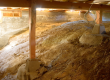
The first hint was the musty smell that never really went away. In the summer, it grew stronger on humid days; in the winter, it turned into a damp chill that crept up from the floors. The homeowners in this Dallas, Texas bungalow tried candles, air purifiers, and new HVAC filters, but nothing truly fixed it. It wasn’t until a technician crawled under the house and shined a flashlight into the dark, damp space below that the real problem came into focus: an unprotected crawl space acting like a giant sponge for moisture, mold, and allergens.
For many North Texas homes, the crawl space is out of sight and out of mind. Yet this hidden area can have a bigger impact on your family’s health than the surfaces you scrub every week. Air from the crawl space doesn’t stay down there; it moves upward into your living areas. If that air is damp, moldy, or contaminated, your entire home’s environment is affected. Crawl space encapsulation is designed to change that dynamic, turning a wet, exposed under-home area into a clean, controlled part of your building envelope.
When companies like Elite Foundation Repairs encapsulate a crawl space, they are not just “tidying” a forgotten area. They are strategically sealing off sources of moisture, improving air quality, protecting structural components, and stabilizing indoor comfort. For homeowners in Dallas and surrounding communities, this can mean fewer allergy flare-ups, less mold risk, and a healthier, more resilient home overall.
Why Crawl Spaces Affect Health
To understand how encapsulation improves home health, you first have to know how air moves through a house. In a typical pier-and-beam or crawl space foundation, air enters through vents and gaps at the bottom of the structure and naturally rises up through the floors, wall cavities, and into the attic. This “stack effect” means that whatever is in your crawl space air is being pulled into the air you breathe every day. In a climate like Dallas, where humidity and sudden storms are common, that lower space is often damp and contaminated.
Damp wood, soil, and insulation are perfect breeding grounds for mold and mildew. As these organisms grow, they release microscopic spores that travel upward. People with asthma, allergies, or other respiratory issues are especially sensitive to these particles, but even healthy individuals can experience headaches, fatigue, and irritation from long-term exposure. When your crawl space is unsealed and unmanaged, it essentially becomes a continuous source of airborne irritants.
It’s not just mold that’s a concern. An open crawl space can harbor dust mites, rodent droppings, insect debris, and even soil gases. All of these can mix into your indoor air. If you’ve ever noticed that your floors feel cold and damp, or that your home smells musty after a rainstorm, that’s a sign your crawl space environment is directly influencing the living space above it. Encapsulation is specifically designed to cut off this unhealthy exchange and create a cleaner, more predictable air supply.
Moisture Control And Mold Prevention
Moisture is the root cause of most crawl space problems. In Dallas, heavy rains, high humidity, and clay soils that hold water can all push moisture toward your foundation. An unencapsulated crawl space allows that moisture to linger as standing water, damp soil, or condensation on wood and HVAC ducts. Over time, the repeated wetting and drying cycles encourage mold growth, wood rot, and corrosion of metal components, all of which can threaten both structural integrity and indoor air quality.
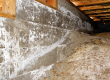
Crawl space encapsulation targets this at the source. The process typically begins with removing standing water and addressing drainage issues so that new moisture is less likely to collect. This may involve improving grading around the home or coordinating with services like Drainage Correction to keep water moving away from the foundation. Once bulk water is managed, a heavy-duty vapor barrier is installed over the soil and often up the walls, creating a continuous shield that dramatically reduces ground moisture from evaporating into the space.
With the vapor barrier in place, dehumidification or conditioned air can be introduced to keep humidity in a safe range. This combination—blocking moisture entry and actively controlling humidity—deprives mold of the damp environment it needs to thrive. For homeowners, this means far fewer musty odors, reduced mold risk on framing and subfloors, and a healthier air supply moving into the living space. In older Dallas homes where mold has been a recurring issue, encapsulation can be a turning point that finally stabilizes the indoor environment.
Improved Indoor Air Quality
Indoor air quality is often discussed in terms of what happens inside the visible living areas—dusting, vacuuming, changing filters, and opening windows. Yet in pier-and-beam homes, a significant share of the air you breathe has already passed through the crawl space. If that air is carrying mold spores, dust, or odors, no amount of surface cleaning will fully solve the problem. The health of your crawl space is directly tied to the health of your indoor air.
By encapsulating the crawl space, Elite Foundation Repairs effectively transforms it from an outdoor-like environment into a semi-conditioned extension of the home. Sealing vents, gaps, and seams in the vapor barrier limits outside contaminants from entering. With humidity controlled, mold and dust mite populations are greatly reduced. As a result, the air migrating upward is cleaner, drier, and far less likely to trigger allergies or respiratory discomfort.
In practical terms, many homeowners notice that chronic odors fade after encapsulation, and that seasonal allergy symptoms ease, especially for those who are sensitive to mold. Homes can feel “lighter” and less stuffy, even without increasing ventilation. For Dallas families dealing with asthma, sinus issues, or unexplained respiratory problems, improving crawl space conditions can be a surprisingly powerful step toward a healthier living environment.
Pest Reduction And Sanitation
An open, damp crawl space is an invitation for pests. Rodents, insects, and even snakes are drawn to dark, sheltered areas with easy access and available moisture. Once they move in, they leave behind droppings, shed skins, and nesting materials that further degrade the environment under your home. These contaminants can carry bacteria, allergens, and unpleasant odors that eventually seep into your living space.
Crawl space encapsulation helps break this cycle. By sealing vents, closing gaps, and covering the soil with a durable vapor barrier, the entry points and hiding spots for pests are dramatically reduced. The space becomes brighter, drier, and less hospitable to insects and rodents. Technicians may also remove old, contaminated insulation or debris as part of the preparation, eliminating materials that previously attracted pests or trapped unsanitary waste.
For homeowners, the health benefits are twofold: fewer pests entering the home itself and a cleaner, more sanitary environment beneath the floors. In Dallas neighborhoods where older homes sit close together, pests can move from property to property. Encapsulation gives your home a strong layer of defense, reducing the chances that droppings, dander, and insect fragments become part of the air circulating inside.
Structural Stability And Safety
Health is not just about air quality; it is also about the safety and soundness of the structure you live in. Persistent moisture in a crawl space can weaken wooden beams, joists, and subflooring over time. As wood absorbs water, it may swell, warp, and eventually rot. This can lead to sagging floors, uneven surfaces, and even trip hazards inside the home. In severe cases, structural damage can compromise the stability of the entire floor system.
Encapsulation helps protect these critical components by keeping them drier and less exposed to fluctuating humidity. With a vapor barrier in place and humidity managed, wood moisture content remains in a safer range, slowing or preventing the development of rot. This not only extends the life of the structure but also helps maintain level, solid floors that are easier and safer to walk on, especially for children and older adults.
In the Dallas area, where soil movement and foundation issues are already a concern, protecting the crawl space structure is especially important. Elite Foundation Repairs often sees situations where moisture damage in the crawl space has compounded existing foundation problems. Encapsulation, combined with appropriate foundation repair when needed, can create a stronger, healthier home that better withstands the region’s shifting soils and extreme weather.
Comfort, Efficiency, And Everyday Living
While the most obvious benefits of encapsulation relate to health and safety, everyday comfort is another important factor. Many homeowners with unencapsulated crawl spaces complain about cold, drafty floors in winter and a damp, clammy feeling in summer. These comfort issues are often tied directly to uncontrolled air and moisture movement beneath the home. Your HVAC system has to work harder to overcome these extremes, which can increase energy usage and strain equipment.
Once the crawl space is encapsulated, the temperature and humidity under the home become more stable. The floors above tend to feel warmer in the winter and less sticky in the summer, because they are no longer sitting over a cold, damp void. The HVAC system doesn’t have to fight as much against incoming humid or cold air from below, which can improve energy efficiency and extend the life of your heating and cooling equipment.
In Dallas, where summers are long and hot, any improvement in efficiency and comfort has a noticeable impact on daily life. Families may find that certain rooms no longer feel “off” compared to the rest of the house, and that the home maintains a more consistent, pleasant feel. When combined with the health benefits of cleaner air and reduced mold risk, encapsulation becomes more than a technical upgrade—it becomes a quality-of-life improvement felt every day.
Frequently Asked Questions
Is crawl space encapsulation really necessary in a dry period, or only when I see standing water? Even if you do not see standing water, moisture can still be entering your crawl space through damp soil, humid air, and condensation on cooler surfaces. Dallas weather is unpredictable, with wet seasons and sudden storms that can quickly change ground conditions. Encapsulation is about long-term control, not just reacting to visible water. By sealing and conditioning the space, you reduce the risk of mold, wood rot, and poor air quality regardless of short-term weather patterns.
Will encapsulation help with my allergies and asthma? While every person’s health situation is different, many homeowners report improvement in allergy and asthma symptoms after encapsulation. This is because the process reduces mold growth, dust, and pest-related contaminants in the crawl space, which are common triggers for respiratory issues. By limiting the movement of these irritants into your living areas, encapsulation can contribute to a cleaner indoor environment. It is not a substitute for medical care, but it can be an important part of creating a healthier home for sensitive individuals.
How long does crawl space encapsulation last? When done properly with quality materials, crawl space encapsulation is designed to be a long-term solution. Heavy-duty vapor barriers, sealed seams, and professional installation techniques help ensure durability. In the Dallas climate, regular inspections are wise to confirm that no new openings, damage, or drainage issues have developed over time. With periodic checks and maintenance as needed, an encapsulated crawl space can protect your home’s health and structure for many years.
Do I still need vents if my crawl space is encapsulated? Traditional building approaches used vents to try to dry out crawl spaces, but in humid climates like North Texas, vented air often brings in more moisture than it removes. Modern encapsulation strategies typically involve sealing those vents and instead controlling humidity with a dehumidifier or conditioned air from the home. This creates a more predictable, controlled environment that is better for both the structure and indoor air quality. Your contractor will evaluate your specific home to determine the best approach.
Is crawl space encapsulation a DIY project, or should I hire a professional? While some homeowners attempt partial DIY solutions, full encapsulation is usually best handled by professionals. The work involves assessing drainage, addressing any existing structural or moisture problems, sealing all gaps and seams, and correctly sizing and installing vapor barriers and humidity control systems. Companies like Elite Foundation Repairs, familiar with Dallas soils and climate, can design a system tailored to your home’s needs and ensure it is installed safely and effectively. This professional approach helps maximize both the health benefits and the lifespan of the encapsulation system.