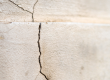

The first time many Dallas homeowners notice a foundation problem is not when they see a dramatic crack in the slab, but when they spot a thin line zigzagging along a living room wall or down a garage floor. At first, it looks harmless – just another cosmetic flaw in a busy home. Weeks later, that same crack has lengthened, widened, and maybe even allowed a bit of water to creep in after a storm. Suddenly, what looked like a simple patch-and-paint job feels like a much bigger issue, and the questions begin: Why did this crack appear? Is my foundation failing? How serious is this, really?
Those questions are exactly where foundation crack repair should begin. Before anyone injects epoxy, installs piers, or grinds down concrete, it is essential to understand what caused the crack in the first place. In the Dallas–Fort Worth area, where Elite Foundation Repairs works every day, soils are highly active and weather is extreme, which means cracks are rarely random. They are usually signals of specific underlying conditions: shifting clay, poor drainage, plumbing leaks, or even previous construction shortcuts. When you know the cause, you can choose the right repair method and prevent the same problem from coming back.
Foundation cracks are not all created equal. Some are largely cosmetic and can be monitored. Others are early warning signs of significant structural movement that demand immediate attention. This is why a thorough evaluation matters as much as the repair itself. Understanding the most common causes of foundation cracking in Dallas, how they show up, and what can be done about them will help you talk confidently with a foundation specialist and make smart decisions about your home’s stability and value.
Expansive North Texas Clay
One of the most important pieces of the puzzle in Dallas foundation issues is the soil itself. Much of North Texas sits on expansive clay, which behaves a bit like a sponge. When it gets wet, it swells; when it dries out, it shrinks and hardens. This constant swelling and shrinking puts tremendous pressure on your foundation, particularly around the perimeter of your home where moisture levels change most dramatically. Over time, the repeated stress can cause the concrete slab or beam-and-pier foundation to crack and shift.
During long dry spells, the soil pulls away from your foundation, creating gaps and voids. These gaps reduce the support under portions of the slab, which can cause sections to settle unevenly. When the next heavy rainstorm hits Dallas, the soil quickly soaks up water and expands again, pushing against the foundation from the sides and below. This back-and-forth movement can lead to horizontal cracks, stair-step cracks in brick, and diagonal cracks at door and window corners, which Elite Foundation Repairs sees frequently in local homes.
What makes expansive clay especially tricky is that the movement is not always uniform. One side of the house may stay relatively stable, while another side experiences significant heave or settlement. That differential movement is what creates tension within the concrete and framing, eventually showing up as visible cracks. Addressing these cracks effectively often involves stabilizing the foundation with piers that transfer the load to deeper, more stable soil layers, while also managing surface moisture so the clay’s expansion and contraction is minimized.
Homeowners can reduce the impact of expansive clay by maintaining consistent moisture levels around the foundation. This doesn’t mean overwatering, but rather avoiding dramatic swings from bone-dry to saturated. Proper landscaping, controlled irrigation, and grading that directs water away from the home can all help. When cracks do appear, understanding that the underlying issue is soil movement helps guide repair decisions that don’t just hide the symptom, but also address the source of the stress.
Drainage, Erosion, And Water Control
Water is both essential and destructive when it comes to foundations. In Dallas, heavy downpours can overwhelm poorly designed drainage systems, leading to standing water around the base of a home. When water collects along the foundation, it not only increases the moisture content of the surrounding soil (causing that expansive clay to swell), but it can also slowly erode supporting soil and create soft spots or voids beneath the slab. This combination of swelling and washout often leads to cracking and settlement in a pattern that follows the worst drainage areas.
Improper grading is a common culprit. If the ground around your home slopes toward the foundation instead of away, rainwater naturally collects at the perimeter. Over time, that water may seep into hairline foundation cracks and widen them, or it may cut channels under the slab. Downspouts that dump water right at the base of the house, clogged gutters that overflow at the same spot every storm, and missing splash blocks can all contribute to localized soil saturation and erosion, creating problem zones where cracks and settlement tend to concentrate.
Inside the home, signs of drainage-related foundation issues often include cracks that appear near exterior doors, garage slabs with noticeable slopes or separations, and interior slab cracks that seem to originate from exterior walls. Elite Foundation Repairs often finds that these visible cracks correspond directly with areas where water has been allowed to pool or flow too close to the structure. Addressing the cracks without correcting the drainage is a short-term fix that will likely fail as soon as the next wet season arrives.
Effective repair in these situations usually means a two-part strategy: structural stabilization and water management. Structural solutions might include underpinning, mudjacking, or slab injection to re-support the foundation. At the same time, the exterior of the home may need re-grading, extended downspouts, French drains, or other drainage improvements. Sometimes homeowners also consider related improvements, such as Retaining Walls, to help control soil movement and water flow on sloped lots. When water is controlled, cracks are far less likely to return or worsen.
Plumbing Leaks Beneath The Slab
Another common but less obvious cause of foundation cracks in Dallas is a plumbing leak under the slab. Many homes in the area have water and sewer lines running beneath the foundation. When one of these pipes develops a leak, it can slowly saturate the surrounding soil, washing away fine particles and weakening the support under the concrete. Over time, the slab may settle unevenly in the affected area, leading to new cracks or the worsening of existing ones.
Plumbing-related foundation damage can be especially deceptive because the leak may go unnoticed for months or even years. Homeowners might see an unexplained increase in water bills, hear the sound of running water when fixtures are off, or notice a persistently damp spot in a floor or yard. Eventually, cracks begin to radiate from the zone above the leak, doors nearby may stick, and floors can become uneven. Elite Foundation Repairs frequently coordinates with licensed plumbers to identify and correct these hidden issues before performing structural repairs.
When a leak is confirmed, the repair process typically involves both plumbing and foundation professionals. The damaged pipe must be repaired or rerouted, and the soil conditions under the slab must be evaluated. If enough material has been washed away to compromise support, methods such as pressure grouting, pier installation, or other stabilization techniques may be recommended. Simply patching the pipe without addressing the weakened soil can leave the foundation vulnerable to further movement and cracking.
This is one reason foundation crack evaluations in Dallas often include recommendations for a plumbing test, especially when the pattern of movement suggests localized soil softening. By identifying and stopping leaks early, homeowners can prevent minor cracks from turning into major structural shifts. Understanding that some cracks are the result of ongoing water loss, not just surface drainage or seasonal soil movement, helps ensure that the repair plan is comprehensive rather than piecemeal.
Construction Practices And Material Limits
Not all foundation cracks are caused by soil and water alone. Sometimes, the way a home was originally designed and built plays a significant role. Concrete is a strong material in compression but relatively weak in tension. If a slab or grade beam is not properly reinforced with steel rebar, or if the concrete mix was not ideal at the time of construction, the foundation can be more prone to cracking when subjected to normal stresses. In fast-growing regions like Dallas, where homebuilding has surged for decades, variations in construction quality are inevitable.
One common issue is inadequate reinforcement or poorly placed control joints. Control joints are intentional, planned weak points in concrete that encourage it to crack along predetermined lines as it shrinks during curing. When joints are missing, misplaced, or too far apart, the concrete may crack randomly and more dramatically. Likewise, if rebar is not properly tied, spaced, or positioned within the slab, the foundation may not distribute loads as designed, leading to stress concentrations that eventually show up as cracks.
Soil preparation before pouring the foundation is equally critical. If the builder did not compact the subgrade properly, failed to remove organic material, or did not account for the expansive nature of the local clay, the slab can end up resting on unstable ground right from the start. As that soil settles or responds to moisture changes, the foundation will move more than a well-prepared site would allow. Elite Foundation Repairs often encounters homes where early cracking and movement can be traced back to these initial construction oversights.
While homeowners cannot go back in time and change how their house was built, understanding these construction-related causes helps explain why some homes in the same neighborhood experience more severe cracking than others. Modern repair methods, such as installing steel piers or concrete pilings, essentially create a new, more reliable support system that bypasses weak soil and compensates for original design limitations. Once stabilized, cosmetic crack repairs and interior finishing can be done with greater confidence that the underlying structure will remain stable.
Natural Aging, Shrinkage, And Minor Movement
Not every foundation crack signals a major structural failure. Concrete naturally shrinks as it cures, and minor hairline cracks can appear even in well-designed, properly built foundations. Over the years, normal thermal expansion and contraction, small soil shifts, and everyday loading can cause these hairline cracks to open slightly or extend. In older Dallas homes, it is common to find a network of fine cracks that have been present for decades without causing serious problems.
The challenge for homeowners is distinguishing between these relatively harmless shrinkage cracks and those that indicate active movement. Shrinkage cracks are often narrow, fairly straight or gently curving, and do not show significant vertical displacement between sides. Structural cracks, by contrast, may be wider at one end than the other, form stair-step patterns in masonry, or be accompanied by misaligned doors, separated trim, and sloping floors. Elite Foundation Repairs typically evaluates not only the crack itself, but also the broader context: floor elevations, wall plumbness, and historical changes reported by the homeowner.
Even when cracks are judged to be non-structural, repairing them can still be important. Open cracks can allow moisture, insects, and even soil gases to enter the home. They can also be a cosmetic concern, especially in finished spaces. Epoxy or polyurethane injection, patching compounds, and sealants are common solutions for these minor issues. The key is to ensure that there is no ongoing movement before treating the crack as purely cosmetic.
Regular monitoring can give peace of mind. Marking crack ends with a pencil, taking periodic photos, or using simple crack gauges can reveal whether a crack is stable or changing over time. If it remains unchanged for months or years, it is likely a one-time occurrence from initial curing or minor settling. If it grows or new cracks appear, a professional evaluation is warranted to determine whether deeper causes like soil movement or drainage problems are at work.
Why Accurate Diagnosis Matters
Foundation crack repair is not a one-size-fits-all task. Two homes on the same street in Dallas might show similar-looking cracks for entirely different reasons. One may be dealing with severe soil expansion from poor drainage, while the other suffers from a long-term plumbing leak or inadequate original construction. Applying the same repair method to both without understanding the underlying cause can waste money and fail to protect the home in the long run.
Accurate diagnosis starts with a thorough inspection. A reputable company such as Elite Foundation Repairs will typically examine the entire structure: interior and exterior walls, floors, ceilings, brickwork, and the foundation itself. They may take elevation readings to map out how the home has moved and identify high and low points. They will ask about the home’s history: when cracks first appeared, whether they have changed, and what kinds of drainage or plumbing issues have occurred. This holistic approach helps connect visible cracks to the forces that created them.
Once the cause or combination of causes is identified, the repair plan can be tailored accordingly. Soil-driven movement may call for perimeter piers and drainage improvements. Plumbing-related issues may require coordination with leak detection specialists and targeted underpinning. Construction-related weaknesses may be addressed with a combination of piers and interior supports. Minor shrinkage cracks may simply need sealing and monitoring. By aligning the solution with the cause, homeowners gain both structural stability and long-term value.
For Dallas homeowners, understanding these common causes of foundation cracks is empowering. It turns a mysterious, stressful problem into something that can be evaluated, measured, and addressed with clear steps. Instead of guessing or relying on quick cosmetic fixes, you can work with professionals who explain not only how they will repair the crack, but also why it formed and what can be done to prevent it from returning.
Frequently Asked Questions
Are all foundation cracks in my Dallas home a serious problem? Not necessarily. Some cracks are the result of normal concrete shrinkage and minor settling, and they may remain stable for decades. However, cracks that are wider than a hairline, change over time, or are accompanied by sticking doors, sloping floors, or gaps in trim are more concerning. Because Dallas soils are so active, it is wise to have any new or worsening cracks evaluated by a foundation specialist who can distinguish between cosmetic and structural issues.
How can I tell if my foundation cracks are caused by soil movement or a plumbing leak? Soil movement often produces broader patterns of damage: multiple cracks, uneven floors, and changes around the perimeter of the home, especially after weather extremes. Plumbing leaks under the slab tend to cause more localized issues, such as cracks and settlement in a specific area, unexplained damp spots, or higher water bills. A professional evaluation may include elevation measurements and a plumbing test to determine whether the source is primarily soil-related, leak-related, or a combination of both.
What is the best way to prevent new foundation cracks in Dallas? Prevention focuses on controlling moisture and supporting the foundation properly. Maintain consistent soil moisture around your home by using responsible irrigation and avoiding long periods of extreme dryness followed by heavy watering. Ensure your lot is graded so water flows away from the foundation, extend downspouts, and keep gutters clear. Address any known plumbing issues promptly, and avoid planting large trees too close to the house, as their roots can affect soil moisture and stability. Regularly inspect your home for early signs of movement and act quickly if changes appear.
Can I just fill the crack myself, or do I need professional repair? Small, stable hairline cracks in accessible areas can sometimes be sealed by homeowners using quality concrete patching products. However, if a crack is wider, appears to be growing, or is associated with other symptoms like wall separation or floor slope, a do-it-yourself patch will only hide the symptom, not solve the cause. In those cases, a professional assessment from a company like Elite Foundation Repairs is essential to determine whether structural stabilization is needed before cosmetic repairs are made.
How does Elite Foundation Repairs determine the right repair method for my home? A typical evaluation includes a detailed visual inspection, floor elevation measurements, and a review of the home’s history and current conditions. The team looks at crack patterns, drainage, soil conditions, and any evidence of plumbing issues. Based on this information, they identify the primary causes of the cracking and design a repair plan that may include piers, drainage improvements, slab stabilization, or a combination of methods. The goal is not just to close visible cracks, but to address the underlying forces so the foundation remains stable for years to come.