The first hint is almost always something small. A hairline crack above a doorway, a door that suddenly needs a harder push to latch, or a section of floor that feels a little “off” under your feet. In a place like Dallas, where clay soil swells and shrinks with every weather swing, those little changes can be the earliest signs that your home’s foundation is shifting. Most homeowners brush them off as normal settling, only to discover later that these minor annoyances were warning lights on the dashboard of their house.
Understanding when those warnings cross the line from cosmetic to critical is what separates a simple repair from a full-blown structural crisis. Foundation issues don’t usually appear overnight; they creep in slowly, showing up as cracks, gaps, and misalignments that steadily worsen. By the time you see obvious damage, the problem has often been developing for months or even years beneath the surface. That’s why recognizing the signs you need professional foundation repair—and acting on them quickly—is so important for protecting both your home and your wallet.
In Dallas, Texas, the combination of expansive soils, heat, periods of drought, and heavy storms creates a perfect environment for foundation movement. Companies like Elite Foundation Repairs spend their days diagnosing these subtle (and sometimes not-so-subtle) symptoms. The sooner you can spot them, the more options you typically have and the less invasive the repair can be. Let’s walk through the key signs that it’s time to stop watching and waiting, and start calling a professional.
Cracks That Tell A Story
Every home will develop some cracks over time, but not all cracks are created equal. Hairline cracks in drywall that stay the same size for years may simply reflect normal settling or minor temperature changes. The cracks that should capture your attention are the ones that grow, change direction, or show up in patterns that suggest movement, especially around doors, windows, and corners. When drywall cracks form in a stair-step pattern or run diagonally from the corners of doors or windows, that’s often a sign the foundation is shifting unevenly.
Exterior cracks in brick or masonry can be even more telling. In Dallas, many homes feature brick veneers, and when the underlying foundation moves, the brick often records that movement like a seismograph. Look for zig-zag, stair-step cracks in mortar joints, vertical cracks that are wider at the top or bottom, or separation where brick walls meet at corners. If you can slide a coin or even a pencil into the gap, that’s no longer a minor aesthetic issue—it’s a potential structural red flag.
The width and behavior of the crack matter as much as its location. A crack that starts small and then widens over a few months suggests ongoing movement that isn’t stabilizing on its own. Cracks that appear after a major weather change—such as a long drought followed by heavy rains—are particularly suspect in North Texas because the soil is expanding and contracting aggressively. A professional from Elite Foundation Repairs can distinguish between harmless “age lines” and serious structural cracks by evaluating their pattern, width, and the overall condition of the home.
It’s also important to look for cracks that cross materials or planes, such as a crack that begins in the brick, passes through the foundation, and continues into the interior drywall. When a single crack line connects exterior and interior surfaces, it often indicates that the underlying structure has moved as one unit rather than just a surface material failing. That kind of movement is not something caulk or spackle can fix; it requires a deeper look at what the foundation is doing.
Doors, Windows, And Misalignment
One of the most common everyday complaints that leads homeowners to call a foundation company is, “My doors don’t close right anymore.” When a foundation shifts, the frame of the house twists or tilts, and the doors and windows—built to be perfectly square—no longer fit their openings the way they used to. If you suddenly have to lift up on a door to latch it, or if a door swings open or shut on its own, that’s often a sign the frame is out of alignment due to movement below.
Windows can tell a similar story. Sticking windows that are hard to open or close, especially if they used to operate smoothly, may indicate that the window frame is being distorted as the wall moves. Cracks in the drywall at window corners, or gaps between the window frame and the wall, are additional clues. In some Dallas homes, homeowners notice a draft or visible light around the edges of windows or doors that used to be tightly sealed; that separation can point directly back to a shifting foundation.
Another subtle but important sign is when the reveals—the visible gaps between the door and the frame—are uneven. If the gap is tight at the top and wide at the bottom, or vice versa, it may indicate that the frame has racked out of square. While carpenter adjustments can sometimes mask the symptom, they don’t fix the cause. If you’ve already had doors shaved, rehung, or adjusted multiple times and the problem keeps returning, it’s time to consider that the floor beneath them is moving.
In a city like Dallas where many homes sit on slab foundations, any change that affects multiple doors or windows at once should be taken seriously. If two or three doors across different parts of the house start sticking within the same season, that pattern strongly suggests a structural shift rather than isolated workmanship issues. A professional evaluation from Elite Foundation Repairs can determine whether the misalignment is cosmetic, or whether it points to a larger foundation problem that needs attention.
Uneven Floors And Sloping Rooms
Most people notice uneven floors first by feel rather than sight. You might walk from your kitchen into your living room and sense a slight downhill drift, or you may find that a rolling toy or a dropped marble always travels to the same corner. While some older homes in Dallas were built with minor irregularities, a noticeable slope or a change that seems to be getting worse can be a sign that the foundation is settling unevenly.
In slab-on-grade homes, uneven floors often show up as cracks in tile or separations in hardwood planks. Tile is particularly unforgiving; if the slab moves, the rigid tile above tends to crack along the lines of stress. You may see multiple tiles cracking in a line, or grout joints opening up in certain areas. With hardwood, you may notice gaps between boards, cupping, or areas where the boards feel springy or loose. These symptoms can certainly have other causes, but when combined with other foundation warning signs, they become part of a bigger picture.
For homes with crawl spaces or pier-and-beam foundations, sagging or bouncy floors can indicate that support beams or piers have shifted or deteriorated. You might see dips in the flooring, hear creaks and pops when you walk, or notice furniture that seems to lean slightly. In some cases, you can even see a visible slope when you stand at one end of a hallway and look toward the other. When the structure that supports your flooring is compromised, it doesn’t just affect comfort; it can threaten the integrity of the home if left unaddressed.
Professional foundation contractors use specialized tools to measure floor elevation and slope, creating a map of high and low points throughout your home. Elite Foundation Repairs, for instance, can use this data to identify whether the movement is localized to one area or part of a broader pattern of settlement or upheaval. That information is critical in designing a repair plan that stabilizes the foundation and reduces further movement, rather than simply patching visible symptoms.
Gaps, Separation, And Exterior Clues
Sometimes the most obvious signs of foundation trouble aren’t inside at all—they’re around the edges of your home. Walk the perimeter of your house in Dallas and pay attention to gaps and separations. Do you see spaces between the soil and the foundation where the ground has pulled away during dry spells? Are there gaps where the siding or brick meets windows, doors, or trim? These separations often reveal that parts of the structure are pulling in different directions as the foundation shifts.
Look closely at where your walls meet your roofline. If you notice that fascia boards or trim pieces are warping, separating, or creating uneven lines, it can indicate that the structure beneath them is no longer level. Similarly, if you have a chimney that appears to be leaning away from the house or separating from the siding, that can be a strong indicator of foundation movement. Chimneys are heavy, and they respond dramatically when the support below them changes.
Another exterior sign to watch for is movement around porches, steps, and attached garages. If your front steps are cracking or pulling away from the main slab, or if your porch seems to be sinking or tilting, the underlying soil or supports may be failing. Cracks where the garage floor meets the driveway, or where the driveway meets the foundation, can also reveal differential movement. While concrete surfaces can crack for many reasons, patterns of separation at connection points are especially suspicious.
Drainage and landscaping also play an indirect but critical role. In Dallas, poor drainage is a major contributor to foundation issues. If you see standing water near your foundation after rainstorms, washed-out soil, or erosion along the base of your home, that excess moisture can soften the soil and allow your foundation to move. Conversely, areas that stay extremely dry can cause the ground to shrink and pull away. Both extremes create instability, and the visible signs around your yard and exterior can help a professional pinpoint where the trouble may be starting.
Moisture Problems, Crawl Spaces, And Odors
Moisture is one of the most powerful forces acting on your foundation, especially in the Dallas climate where intense storms are followed by long dry periods. Inside the home, recurring moisture issues can hint at deeper structural concerns. You might notice cracks in the slab that feel damp, musty odors that won’t go away, or areas where flooring shows signs of water damage without an obvious plumbing leak. These symptoms can indicate that water is finding its way into or under your foundation.
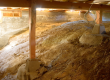
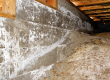
For homes with crawl spaces or pier-and-beam foundations, the area beneath your home can be both the source and the victim of foundation problems. Standing water in the crawl space, excessive humidity, mold growth, or rotting wood components are serious warning signs. Over time, moisture can weaken beams, joists, and piers, causing floors to sag and the structure to shift. Addressing only the visible damage inside the home without stabilizing and protecting the crawl space is like repainting a car with a rusted frame—it doesn’t solve the real problem.
Musty odors, especially on lower levels, are often the first thing homeowners notice. If you smell damp earth, mildew, or a persistent “old house” smell that cleaning doesn’t fix, it’s worth investigating what’s happening under your feet. Moisture-related foundation issues can also attract pests, which further damage wood supports and insulation. The combination of structural weakening and biological growth can turn a manageable issue into a costly repair if ignored.
Professional solutions often involve both structural repair and moisture control. Services such as Crawl Space Encapsulation can help seal out ground moisture, regulate humidity, and protect structural components from long-term damage. Elite Foundation Repairs understands that in Dallas, tackling foundation problems often means managing water—both too much and too little—to keep your home stable and healthy.
When To Call A Professional
Homeowners in Dallas often wonder, “How do I know when it’s serious enough to call someone?” The answer is simpler than you might think: if you see multiple warning signs, or if any single sign is getting noticeably worse over time, it’s time for a professional evaluation. Foundation issues rarely improve on their own; the forces causing movement—soil conditions, moisture levels, and structural loads—continue to act on your home whether you address them or not.
Trying to diagnose foundation problems on your own can be tricky. Online photos and DIY guides can help you recognize basic symptoms, but they can’t replace an experienced eye that understands local soil behavior and construction practices. Elite Foundation Repairs brings that local perspective to Dallas-area homes, combining visual inspection with measurement tools to determine the extent and pattern of movement. A professional assessment should include detailed explanations, not just a sales pitch, so you can make an informed decision about next steps.
Another key reason to call a professional early is cost control. Minor foundation adjustments and targeted pier installations are typically far less expensive than large-scale structural overhauls. By acting when you first notice sticking doors, growing cracks, or sloping floors, you may be able to stabilize the home before more extensive damage occurs to plumbing, framing, and finishes. Waiting until walls are visibly bowing or floors are dramatically uneven usually means the repair will be more complex and disruptive.
Finally, consider the long-term value and safety of your home. Foundation problems can impact everything from your property’s resale value to your peace of mind during heavy storms. Lenders and buyers in Texas are increasingly foundation-aware, and documented professional repairs can actually be a selling point, demonstrating that the home has been properly maintained. If you suspect foundation trouble, scheduling an inspection is a proactive step that protects your investment and the people living under your roof.
Frequently Asked Questions
How can I tell if a crack is serious enough to worry about? Pay attention to the size, pattern, and behavior of the crack. Hairline cracks that stay the same over time are often cosmetic, but cracks wider than about 1/8 inch, cracks that are wider at one end, or stair-step cracks in brick or block are more concerning. If a crack appears suddenly, grows over a few months, or is accompanied by other signs like sticking doors or uneven floors, it’s wise to have a professional like Elite Foundation Repairs in Dallas evaluate it.
Are foundation problems common in Dallas, Texas? Yes, foundation issues are very common in Dallas and the surrounding North Texas area due to the expansive clay soils and dramatic moisture swings. The soil expands when wet and shrinks when dry, putting constant pressure on foundations. This doesn’t mean every home will have severe problems, but it does mean homeowners should be especially vigilant for signs of movement and maintain good drainage and moisture management around their property.
Will foundation repair ruin my landscaping or yard? Modern foundation repair methods aim to minimize disruption, but some impact on landscaping is often unavoidable, especially when installing piers or access points around the perimeter. Reputable companies will explain where work will occur, how they’ll protect your property, and what restoration is included. Elite Foundation Repairs works to keep the work area as contained as possible and can advise you on how to restore or improve landscaping after repairs are complete.
How long does professional foundation repair usually take? The timeline depends on the size of the home, the extent of the damage, and the repair method used. Smaller jobs may be completed in a day or two, while more complex projects involving multiple piers or crawl space work can take several days. During your evaluation, the contractor should provide a realistic schedule, explain each phase of the work, and let you know how it will affect your daily routine. In most cases, you can remain in your home while repairs are underway.
Is it safe to wait and see if the problem gets worse? Waiting is always a gamble. While some minor settling may stabilize on its own, you have no way of knowing whether current movement will stop or accelerate. In Dallas’s volatile soil conditions, foundation problems often worsen during extreme weather cycles. An inspection doesn’t obligate you to immediate repairs, but it does give you clear information about what’s happening and what could occur if you delay. Acting early typically reduces both risk and cost over the long term.