Have you ever noticed a crack in your wall or a sticking door and immediately felt that sinking fear: “My foundation is failing, and it’s going to cost a fortune”? For many Dallas homeowners, foundation worries are a constant background stress, thanks to our shifting clay soils, hot summers, and unpredictable rain. Unfortunately, a lot of what people “know” about foundation repair is based on half-truths, outdated advice, or myths passed from neighbor to neighbor.
These myths can be more than just misleading; they can delay necessary repairs, cause homeowners to waste money on the wrong solutions, or even lead to more damage over time. At Elite Foundation Repairs, we hear the same misconceptions again and again from Dallas, Texas homeowners, and we see how much confusion they create. By clearing up these myths, you can make better decisions, protect your biggest investment, and avoid being scared into unnecessary or ineffective work.
This guide takes a direct, no-nonsense look at the most common foundation repair myths and explains what is actually true in plain language. Whether you are already seeing cracks and sloping floors or just want to be prepared, understanding the reality behind these myths will put you back in control of your home’s future. Let’s separate fact from fiction so you know when to relax, when to monitor, and when to call in professionals like Elite Foundation Repairs.
Myth 1: All Cracks Mean Disaster
One of the most alarming moments for any homeowner is spotting a new crack in drywall, brick, or concrete. The common myth is that every crack equals major foundation failure and an immediate, huge expense. In reality, homes naturally move and settle over time, especially in a region like Dallas where soils expand when wet and contract when dry. Some cracks are completely cosmetic, while others are early warning signs. The key is understanding which is which, instead of assuming the worst or ignoring everything.
Hairline cracks in drywall, especially near doors, windows, and ceilings, can often result from normal seasonal changes or minor settling. These may appear, widen slightly, and then stabilize. Vertical cracks in concrete slabs or brick veneer that are very narrow and not growing may not require structural repair at all. On the other hand, wide stair-step cracks in brick, horizontal cracks, or cracks that continue to lengthen or widen over months can be indicators of foundation movement that needs professional evaluation.
Another overlooked factor is the pattern of symptoms, not just a single crack. When cracks are combined with doors that suddenly stick, floors that feel uneven, or gaps around window frames, it suggests a more systemic movement issue. This is where Elite Foundation Repairs comes in: a thorough inspection considers all these signs together, along with elevation measurements and soil conditions, to decide whether your crack is a cosmetic annoyance or a structural red flag.
The takeaway is that not all cracks are created equal. Panicking over every hairline crack can lead to unnecessary stress and expenses, while assuming all cracks are harmless can let real problems grow worse. A balanced, informed approach based on professional assessment is the smartest way to respond.
Myth 2: Foundation Problems Are Always Obvious
Another common belief is that serious foundation problems will be unmistakable: dramatic wall separation, huge gaps, or visibly sinking sections of the home. While those extreme symptoms do happen, many foundation issues start quietly. Small, subtle changes can go unnoticed for years, especially if you are not sure what to look for. Homeowners in Dallas often assume that as long as the house “looks fine,” there is no reason to think about the foundation.
In reality, early foundation movement often shows up in mild ways: a door that used to close smoothly now rubs the frame, small trim separations at the corners of ceilings, a slight slope you only notice when a ball rolls across the floor. These subtle signs are easy to blame on humidity, aging construction, or minor carpentry issues. Unfortunately, ignoring them can allow ongoing soil movement to continue until the damage becomes much more expensive to correct.
There is also a misconception that if the exterior brick looks solid, the foundation must be fine. However, the brick veneer is just one layer of the building envelope, and internal framing or slab movement can be happening behind the scenes. Dallas’s expansive clay soils can cause differential movement—one part of the house may be affected while another remains stable—so symptoms can be uneven and easy to miss without a systematic inspection.
Regular professional evaluations, particularly if you notice even small recurring issues, can catch problems while they are still manageable. Companies like Elite Foundation Repairs use tools like elevation readings, moisture assessments, and visual inspection techniques to detect movement that is not obvious to the naked eye. Addressing concerns early typically means less invasive repair, lower costs, and far less disruption to your home.
Myth 3: Foundation Repair Ruins Your Yard And Home
Many homeowners put off needed foundation repair because they imagine their property becoming a construction zone for weeks: torn-up landscaping, destroyed driveways, and dust everywhere inside. While foundation work is serious construction, modern methods are far more controlled and targeted than many people realize. The old image of massive trenches and heavy damage to yards does not reflect how reputable companies in Dallas typically work today.
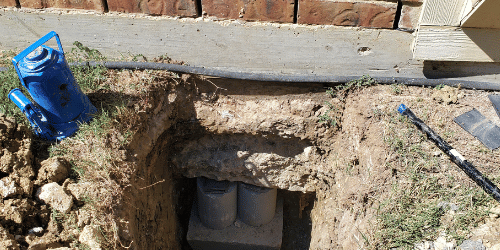
Most contemporary foundation repair systems, such as steel piers or concrete piers, are installed through small, localized excavations around the perimeter of the home or through access points in the slab. While some digging is necessary, experienced crews work carefully to minimize disruption to lawns, flowerbeds, and hardscapes. In many cases, plants can be temporarily removed and then replanted, and cleanup is part of the job, not an afterthought.
Inside the home, the myth of total chaos is also exaggerated. When interior piers are required, selective openings may be made in the slab, but reputable contractors use dust control measures, protect flooring where needed, and coordinate work to keep your home as livable as possible during the process. Most projects are completed in days, not weeks, and the end result is a more stable structure, not a permanently scarred property.
It is also worth noting that leaving a failing foundation unaddressed can cause far more damage over time than a well-planned repair project ever will. As movement continues, walls can crack further, floors can separate, plumbing lines can break, and doors and windows can become unusable. Elite Foundation Repairs focuses on long-term stability and restoration, so the temporary disruption is outweighed by the long-term protection of your home’s value and comfort.
Myth 4: All Foundation Companies Are The Same
Another dangerous assumption is that foundation repair is a commodity service and that every contractor will deliver basically the same quality, methods, and results. This myth can lead homeowners to choose the cheapest bid or respond to high-pressure sales tactics without fully understanding what they are buying. In a market like Dallas, where foundation repair is common, the range of experience, ethics, and technical expertise between companies can be significant.
Some companies rely on one-size-fits-all solutions, recommending the same type of pier or repair method for nearly every home they inspect. Others may focus more on sales volume than on careful diagnosis, pushing extensive work where monitoring or minor corrections might suffice. There are also differences in the quality of materials used, the depth and spacing of piers, and the thoroughness of post-repair adjustments and follow-up.
Elite Foundation Repairs distinguishes itself by tailoring solutions to each specific property, soil condition, and symptom pattern. A thoughtful inspection looks at drainage, grading, tree placement, plumbing factors, and the history of the home, not just visible cracks. This allows for customized plans that may combine pier installation, drainage improvements, and preventive measures rather than automatically recommending the most extensive (and expensive) option.
When evaluating foundation companies, homeowners should look beyond price alone. Ask about warranties, pier depth and type, engineering involvement, references from local Dallas projects, and what kind of evaluation tools are used. A reputable contractor will explain their reasoning in clear terms, answer questions without pressure, and provide a written plan you can understand. Not all companies are the same, and choosing carefully can mean the difference between a lasting solution and recurring problems.
Myth 5: You Can Fix Foundation Issues Yourself
The rise of DIY culture has led some homeowners to believe they can handle foundation issues with store-bought products or simple fixes. Common examples include filling cracks with caulk, using surface-level patching compounds, or adding a few extra posts under sagging floors. These approaches might make things look better temporarily, but they do not address the underlying causes of movement in the soil and structure.
Foundation performance in Dallas is tightly linked to moisture levels in the clay soil, changes in load distribution, and long-term soil behavior. Proper repair requires an understanding of geotechnical conditions, structural engineering principles, and appropriate installation techniques for piers or other support systems. Without that expertise, DIY attempts can actually hide symptoms that professionals need to see, delaying effective treatment and allowing more damage to occur.
Another DIY myth is that simply watering the foundation more or less will “fix” problems. While consistent moisture management is important for preventing some foundation movement, it is not a cure-all. Overwatering can create heaving, while inconsistent watering creates cycles of expansion and contraction that worsen movement. Moisture control is a preventive and supportive measure, not a substitute for structural repair where it is needed.
Professionals like Elite Foundation Repairs bring specialized equipment, tested systems, and years of experience diagnosing and correcting a wide range of issues. They can distinguish between cosmetic and structural problems, identify contributing factors like poor drainage or tree roots, and design a plan that stabilizes the foundation rather than just masking symptoms. DIY has its place, but foundation repair is not the area to experiment with when your home’s structural integrity is at stake.
Myth 6: Foundation Repair Is Always About Piers
Many people assume that if they call a foundation company, the only solution they will hear about is installing piers. While pier systems are a critical tool for stabilizing and lifting foundations in Dallas’s challenging soils, they are not the only strategy available. Believing that “repair equals piers” can cause homeowners to overlook other important components of a comprehensive solution.
In some cases, the main driver of foundation movement is poor drainage around the home. Water pooling near the foundation, gutters discharging too close to the house, or negative grading that directs water toward the slab can all create soil instability. Correcting these problems with improved drainage systems, regrading, or strategically placed surface drains can significantly reduce ongoing movement and protect both existing and future repairs.
Other times, interior symptoms like sloping floors or wall separations may be partially addressed by reinforcing framing, adjusting beams, or adding support in crawl spaces. Addressing plumbing leaks under the slab, managing large tree roots, or installing features like Retaining Walls in certain landscape conditions can also form part of a broader stabilization plan. The best repairs are those that consider the entire environment around the foundation, not just the slab itself.
Elite Foundation Repairs approaches each Dallas home as a unique system. While piers may indeed be part of the solution, they are evaluated alongside drainage corrections, moisture management, and preventive maintenance strategies. This holistic view often leads to more durable results and can sometimes reduce the amount of structural intervention needed by controlling the conditions that caused movement in the first place.
Frequently Asked Questions
How do I know if my foundation problem is urgent? Urgency is usually determined by how quickly symptoms are changing and how severe they are. If you see cracks that are rapidly widening, doors and windows that suddenly will not close, or noticeable changes in floor slope over a short period, you should schedule an inspection promptly. Slow, minor changes may allow for monitoring and preventive steps, but only a professional evaluation can distinguish between a situation that can wait and one that needs immediate action.
Will foundation repair increase my home’s value in Dallas? Properly performed foundation repair often protects or restores value rather than directly “adding” value in the way a kitchen remodel might. In Dallas, where buyers and inspectors are very aware of foundation issues, documented repair by a reputable company like Elite Foundation Repairs can make a home more marketable and reassure potential buyers. Unrepaired foundation problems, by contrast, can significantly reduce offers or derail sales altogether.
Is it normal for homes in Dallas to have some foundation movement? Yes, some degree of movement is common due to the expansive clay soils and climate patterns in North Texas. Minor settling and small, stable cracks can be normal. The concern arises when movement is uneven, ongoing, or severe enough to affect the function of doors, windows, floors, and walls. Regular observation and periodic professional inspections are wise in this region to differentiate normal behavior from developing problems.
How long does foundation repair usually take? The duration depends on the size of the home, the number and type of piers or other measures required, and site conditions. Many residential projects in Dallas can be completed in a few days, though more complex jobs may take longer. During your evaluation, Elite Foundation Repairs will provide an estimated timeline, explain the steps involved, and discuss how the work will impact access to different parts of your property during the process.
What can I do to help prevent future foundation issues? Preventive steps focus mainly on controlling moisture and maintaining stable conditions around your home. Keep gutters clean and ensure downspouts discharge water well away from the foundation. Maintain consistent watering during dry periods to avoid extreme soil shrinkage, but avoid overwatering near the slab. Monitor for drainage problems, fix plumbing leaks promptly, and have your property evaluated if you plan major landscaping changes or tree removals near the home. These actions, combined with professional guidance from a company like Elite Foundation Repairs, can greatly reduce the risk of serious foundation problems over time.